

Epithelial Homeostasis and Immune Regulation at Barrier Surfaces
Group Leader:
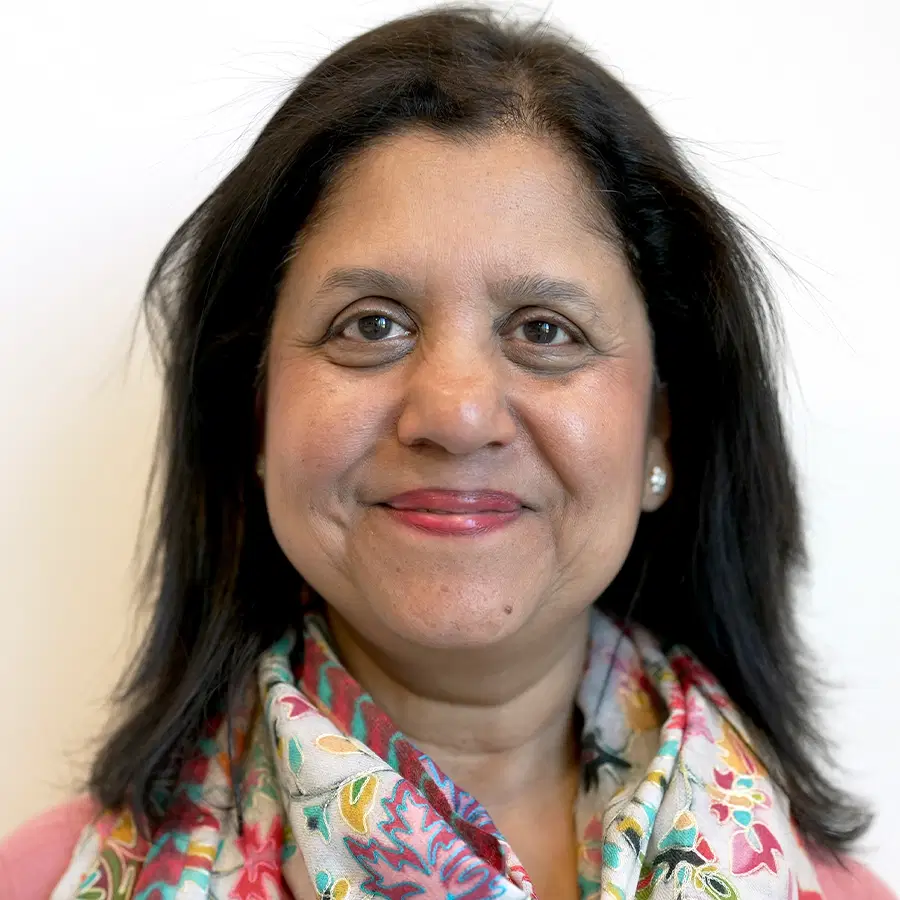
Prof Srikala Raghavan
The skin is a complex organ that serves as the primary barrier between the body and the external environment, and its homeostasis is critically dependent on the precise coordination between epithelial cells and resident immune cells. In our laboratory, we study the mammalian skin to elucidate the complex interactions between epithelial cells and macrophages, both in the context of skin development and in inflammatory skin disorders. Embryonic macrophages derived from the yolk sac and foetal liver enter the skin at E12.5 and are active contributors to both homeostasis and inflammation, rather than serving as bystander cells. A major question in the field of inflammation is how an immune response is initiated and appropriately terminated. Compromising either the initiation or resolution of an inflammatory response can lead to debilitating states such as infection and sepsis at one extreme, or chronic inflammatory diseases at the other. We have been particularly focused on understanding the metabolic crosstalk between epithelial cells and macrophages as a key mechanism that governs this balance, and the insights gained from these studies are beginning to reveal new paradigms for treating inflammatory skin diseases like psoriasis, with broader implications for epithelial-immune metabolic crosstalk in cancer.

Lab Reports
click here to read

Recent Publications
click here to read

Lab Members
click here to read
Recent Publications
2025
Chan WW, Roy KR, Le BQ, Ezhilarasu H, Zhang X, Lim RYD, Banerjee A, Kuriakose M, Ng KJ, Murugan P, Goh CT, Zhou W, Naing MW, Raghavan S, Choudhury D. A Novel Crosslinking Approach for Biomanufacturing of a Collagen-Based Skin Dermal Template. Macromol Biosci. 2025;25(2):e2400457.
Zhu DD, Lim RYD, Poh YL, Li DS, Raghavan S, Chen P. Transdermal hydrogen therapy for psoriasis using cavity-embedded double-conical microneedles. J Control Release. 2025;388(Pt 1):114313.
2024
Ayyangar U, Karkhanis A, Tay H, Afandi AFB, Bhattacharjee O, Ks L, Lee SH, Chan J, Raghavan S. Metabolic rewiring of macrophages by epidermal-derived lactate promotes sterile inflammation in the murine skin. EMBO J. 2024 Apr;43(7):1113-1134.
2023
Wang J, Fu Y, Huang W, Biswas R, Banerjee A, Broussard JA, Zhao Z, Wang D, Bjerke G, Raghavan S, Yan J, Green KJ, Yi R. MicroRNA-205 promotes hair regeneration by modulating mechanical properties of hair follicle stem cells. Proc Natl Acad Sci U S A. 2023 May 30;120(22):e2220635120.
2022
Lim R, Banerjee A, Biswas R, Chari AN, Raghavan S. Mechanotransduction through adhesion molecules: Emerging roles in regulating the stem cell niche. Front Cell Dev Biol. 2022 Sep 12;10:966662.
Researcher
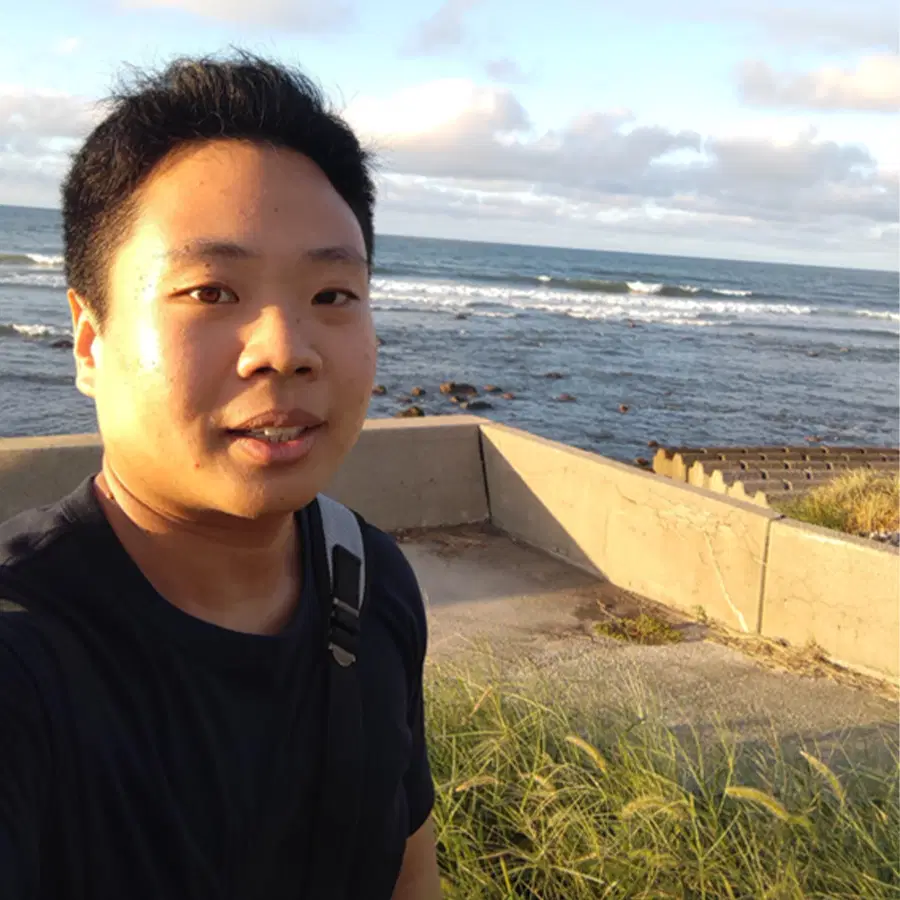
Shan Quah
Initially trained as a Zoology major at the University of Cambridge, I have had a lifelong passion for evolutionary biology. I completed my PhD on the role of microRNAs in animal evolution and development with Professor Peter Holland at the University of Oxford, then embarked on my postdoctoral work in A*STAR Singapore where I looked at microRNAs in human disease and the development of microRNA-targeted therapeutics. Whilst undertaking this research, I realised a newfound passion for using my evolutionary background as a basis to understand cancer development and therapeutic design. I am now thrilled to work with Professor Srikala Raghavan studying fundamental cell behaviours and epithelial-immune crosstalk in the initiation and progression of epithelial cancers.
Researcher
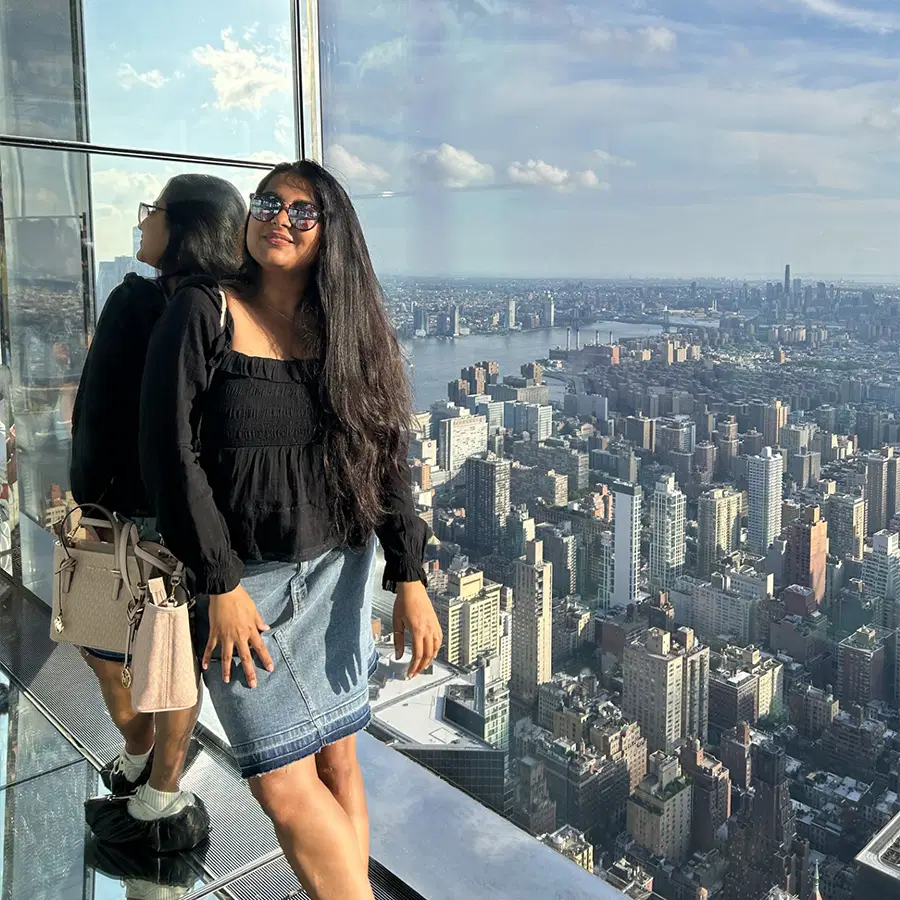
Chandrayee Mukherjee
I am a Research Associate in the Raghavan lab at the Cancer Research UK Scotland Institute and the University of Glasgow, where I study how nuclear–cytoskeletal organization and nuclear mechanics regulate epithelial tissue architecture and cell behaviour in cancer and tissue homeostasis. Originally from India, I completed my PhD in nuclear mechanobiology at the Saha Institute of Nuclear Physics before moving to Yale University for postdoctoral research on nuclear architecture, proteostasis, and condensate biology. Fascinated by how cells sense and respond to physical forces, I enjoy connecting cell biology, mechanics, and imaging to understand how tissues organize themselves in health and disease. Outside the lab, I love cooking for people, hosting gatherings, organizing events, making handcrafted things, and spending far too much time exploring interesting corners of the internet.
Researcher
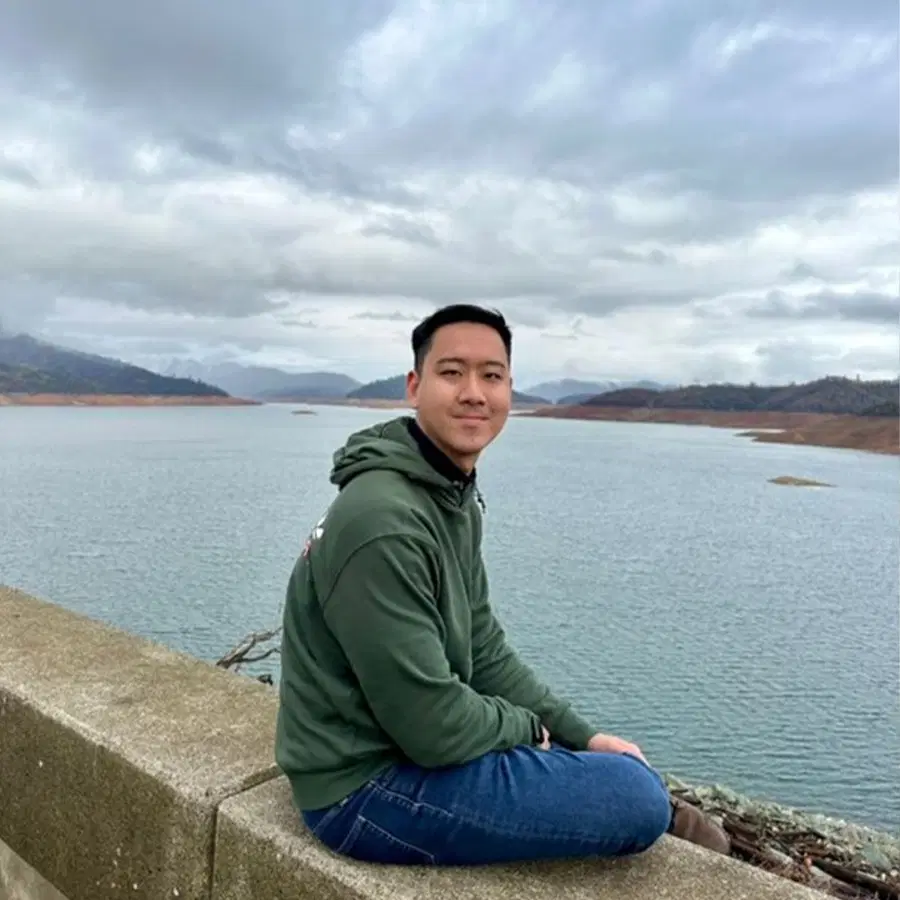
Ryan Lim
I am a PhD student working on the pathophysiology of inflammatory skin diseases. My interests lies in understanding the metabolic interplays between the immune system and the progression of Psoriasis. I completed my undergraduate studies in the National University of Singapore before embarking on my graduate studies in the Lee Kong Chian School of Medicine. Before moving over to join the lab in Glasgow, I was doing my research with Prof Srikala at the A*STAR Skin Research Labs in Singapore. Outside of the lab, I enjoy dabbling in sports, travelling to new places and enjoying myself in nature.