

Prof David Lewis
Molecular Imaging
Our lab focuses on understanding cancer as a metabolic disease, using molecular and total-body PET imaging to map how tumours use, compete for, and rewire nutrients across scales. We combine advanced cancer models, novel radiotracers, and quantitative image analysis to characterise metabolic phenotypes from single cells and tumour subregions through to whole-body physiology. By linking imaging signatures to genetics, microenvironmental context, and treatment response, we aim to uncover metabolic vulnerabilities that can be targeted to improve outcomes for patients.
A central theme of our work is the metabolic interplay between tumours and the host. We investigate how tumours reprogram their metabolism under therapeutic pressure, how distinct metabolic states contribute to drug and radiotherapy resistance, and how systemic conditions such as cancer cachexia develop. Through total-body PET, we visualise these processes in vivo. Our programs span mechanistic studies in GEMMs and organoids, development of novel PET tracers, and translational imaging trials across radiotherapy and systemic therapies.

Biography
click here to read

Recent Publications
click here to read
Biography
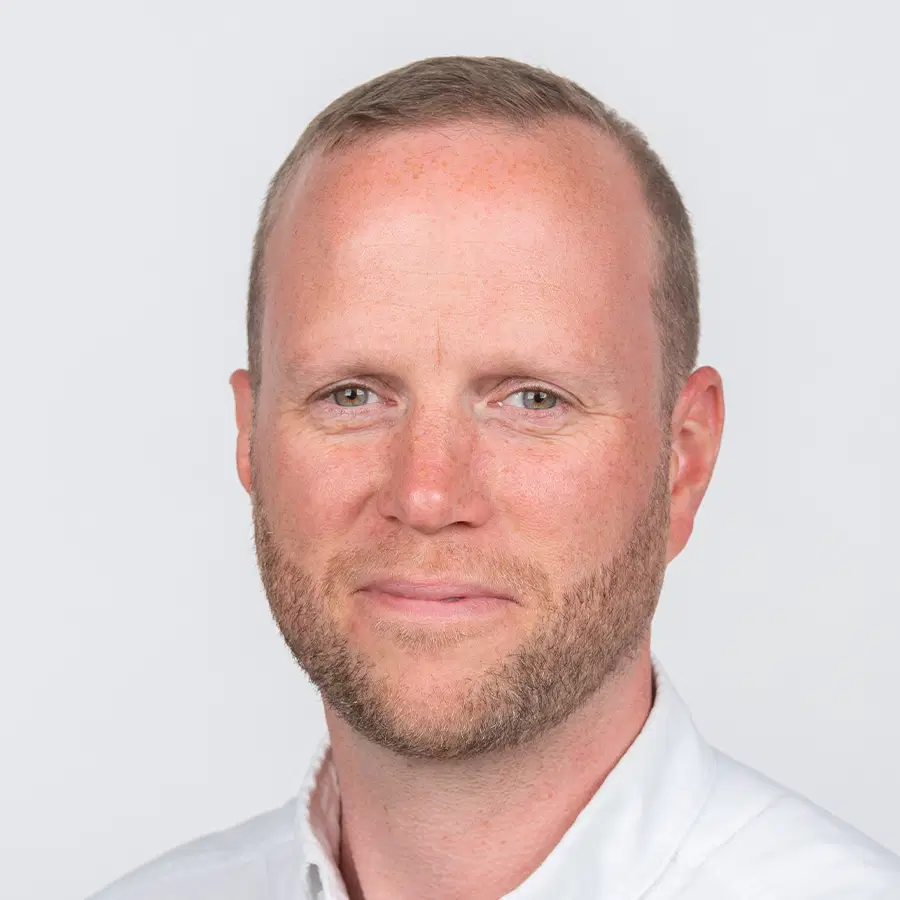
Professor David Y. Lewis is a Professor of Molecular Imaging at the University of Glasgow and a Group Leader at the CRUK Scotland Institute. David leads an interdisciplinary team dedicated to deciphering the dynamic metabolic phenotype of cancer. His work focuses on resolving the spatiotemporal heterogeneity of tumour metabolism, which is recognised as a key driver of malignancy and therapeutic resistance.
David’s lab achieves this by developing novel radiotracers to interrogate alternative metabolic pathways and then integrating advanced preclinical Positron Emission Tomography (PET) data acquired from high-fidelity preclinical models with spatial biology techniques to deconvolve tissue and cellular-level metabolic activity. Their core objective is to move beyond static, end-point measurements to capture the real-time, functional plasticity of tumour biochemistry. This focus extends beyond the tumour itself to include the metabolic reprogramming in the host, specifically investigating whole-body metabolic drivers in cancer cachexia as part of the Cancer Grand Challenges CANCAN project. The laboratory integrates AI and machine learning for predictive modelling, aiming to develop non-invasive tumour classification methods that directly guide therapeutic strategies.
In addition to his laboratory direction, David contributes significantly to national imaging infrastructure. He serves as Co-Director of the MRC Scotland Total-Body PET Facility, Deputy Director for CRUK RadNet Glasgow, heads the Translational Molecular Imaging Facility at the CRUK Scotland Institute, and chairs the Whole-Body Imaging Facility within the University of Glasgow Shared Research Facilities. He is passionate about improving accessibility to imaging infrastructure through collaborative research.
Education and qualifications
- 2008: PhD Neuropsychopharmacology, University of Strathclyde, Glasgow, UK
- 2003: BSc Pharmacology (First Class Honours), University of Glasgow, Glasgow, UK
Appointments
- 2017–present: Group Leader, Cancer Research UK Scotland Institute, Glasgow, UK
- 2012–2016: Senior Postdoctoral Fellow, Radionuclide Imaging Facility, Cancer Research UK Cambridge Institute, University of Cambridge, UK
- 2011–2016: Research Associate, Corpus Christi College, University of Cambridge, UK
- 2009–2016: Honorary Visiting Researcher, Department of Biochemistry, University of Cambridge, UK
- 2015: ‘CRUK Awarded’ Visiting Scholar, Molecular Imaging Program at Stanford, Stanford University School of Medicine, USA
- 2009–2012: Senior Postdoctoral Research Fellow, Cambridge Research Institute, Cancer Research UK
- 2008–2009: Research Fellow in Neuroscience, Translational Medicine Research Collaboration, University of Glasgow, UK
- 2007–2008: Study Director, CNS and Rodent Safety Pharmacology, Aptuit Limited, Riccarton, UK
- 2003–2008: Graduate Teaching Assistant, Department of Pharmacology, University of Strathclyde, UK
Current committee membership
- Steering Board, CRUK RadNet
Honours and awards
- EJNMMI Research: Best Paper Award – EANM Springer Prize, 2017
- Young Investigator of the Year Award Finalist (World Molecular Imaging Congress, New York), 2016
- Industry Sponsored Award Winner (World Molecular Imaging Congress, New York), 2016
- Research Travel Award (CRUK), 2015
- John J. Lewis Award (University of Glasgow) for outstanding examination performance, 2003
Funding
- NIH
Recent Publications
2025
Müller, M., May, S., Hall, H., Kendall, T. J., McGarry, L., Blukacz, L., Nuciforo, S., Georgakopoulou, A., Jamieson, T., Phinichkusolchit, N. (2025). Human-correlated genetic models identify precision therapy for liver cancer. Nature.
Sushentsev, N., Hamm, G., Manavaki, R., McLean, M. A., Birchall, J., Soloviev, D., Lewis, D. Y., Aloj, L., Flint, L., Zakirov, A.(2025). Spatial metabolomics informs the use of clinical imaging for improved detection of cribriform prostate cancer. Proceedings of the National Academy of Sciences.122 (26), e2502423122.
2024
Malviya, G., Lannagan, T. R. M., Johnson, E., Mackintosh, A., Bielik, R., Peters, A., Soloviev, D., Brown, G., Jackstadt, R., Nixon, C. (2024). Noninvasive stratification of colon cancer by multiplex PET imaging. Clinical Cancer Research. 30 (8), 1518-1529.
2023
Dzien, P., Mackintosh, A., Malviya, G., Johnson, E., Soloviev, D., Brown, G., Uribe, A. H., Nixon, C., Lyons, S. K., Maddocks, O. (2023). Positron emission tomography imaging of the sodium iodide symporter senses real-time energy stress in vivo. Cancer & Metabolism. 11 (1), 14.
Ferrer, M., Anthony, T. G., Ayres, J. S., Biffi, G., Brown, J. C., Caan, Bette J; Feliciano, E. M. C., Coll, A. P., Dunne, R. F., Goncalves, M. D. (2023). Cachexia: A systemic consequence of progressive, unresolved disease. Cell. 186 (9),1824-1845.
2021
Najumudeen, A. K., Ceteci, F., Fey, S. K., Hamm, G., Steven, R. T., Hall, H., Nikula, C. J., Dexter, A., Murta, T., Race, A. M. (2021). The amino acid transporter SLC7A5 is required for efficient growth of KRAS-mutant colorectal cancer. Nature Genetics. 53 (1), 16-26.
2018
Lewis, D. Y., Mair, R., Wright, A., Allinson, K., Lyons, S. K., Booth, T., Jones, J., Bielik, R., Soloviev, D., Brindle, K. M. (2018) [18F] fluoroethyltyrosine-induced Cerenkov Luminescence Improves Image-Guided Surgical Resection of Glioma.Theranostics.8 (14), 3991.
2015
Lewis, D. Y., Soloviev, D., Brindle, K. M. (2015). Imaging tumor metabolism using positron emission tomography. Cancer Journal (Sudbury, Mass.). 21 (2), 129-136.
2014
Lewis, D. Y., Boren, J., Shaw, G. L., Bielik, R., Ramos-Montoya, A., Larkin, T. J., Martins, C. P., Neal, D. E., Soloviev, D., Brindle, K. M. (2014). Late imaging with [1-11C] acetate improves detection of tumor fatty acid synthesis with PET. Journal of Nuclear Medicine. 55 (7), 1144-1149.