

AI for Cancer Research
Group Leader:
Dr Ke Yuan
Modern-day cancer research is generating an unprecedented amount of data, from high-resolution medical images to large-scale genomic and transcriptomic datasets. Harnessing this data through advanced AI, machine learning, and statistical models opens new avenues for discovery and translation into clinical practice. Our work focuses on developing state-of-the-art methods tailored to cancer research challenges, particularly in the analysis of imaging and sequencing data.
By addressing critical questions, such as identifying predictive biomarkers and uncovering novel therapeutic targets, we aim to drive progress in precision oncology and improve patient outcomes.

Lab Reports
click here to read

Recent Publications
click here to read

Lab Members
click here to read
Recent Publications
2025
Coudray N, Occidental MA, Mantilla JG, Claudio Quiros A, Yuan K, Balko J, Tsirigos A, Jour G. Quantitative and Morphology-Based Deep Convolutional Neural Network Approaches for Osteosarcoma Survival Prediction in the Neoadjuvant and Metastatic Settings. Clin Cancer Res. 2025;31(2):365-375.
Coudray N, Juarez MC, Criscito MC, Quiros AC, Wilken R, Jackson Cullison SR, Stevenson ML, Doudican NA, Yuan K, Aquino JD, Klufas DM, North JP, Yu SS, Murad F, Ruiz E, Schmults CD, Cardona Machado CD, Cañueto J, Choudhary A, Hughes AN, Stockard A, Leibovit-Reiben Z, Mangold AR, Tsirigos A, Carucci JA. Self supervised artificial intelligence predicts poor outcome from primary cutaneous squamous cell carcinoma at diagnosis. NPJ Digit Med. 2025;8(1):105.
Fa’ak F, Coudray N, Jour G, Ibrahim M, Illa-Bochaca I, Qiu S, Claudio Quiros A, Yuan K, Johnson DB, Rimm DL, Weber JS, Tsirigos A, Osman I. Artificial Intelligence Algorithm Predicts Response to Immune Checkpoint Inhibitors. Clin Cancer Res. 2025.
Farndale L, Insall R, Yuan K. TriDeNT: Triple deep network training for privileged knowledge distillation in histopathology. Med Image Anal. 2025;102:103479.
Ji Y, Cutiongco MFA, Jensen BS, Yuan K. Generating realistic single-cell images from CellProfiler representations. Med Image Anal. 2025;103:103574.
Liu D, Young F, Lamb KD, Claudio Quiros A, Pancheva A, Miller CJ, Macdonald C, Robertson DL, Yuan K. PLM-interact: extending protein language models to predict protein-protein interactions. Nat Commun. 2025;16(1):9012.
Lytras S, Lamb KD, Ito J, Grove J, Yuan K, Sato K, Hughes J, Robertson DL. Pathogen genomic surveillance and the AI revolution. J Virol. 2025:e0160124.
Seyedshahi F, Rakovic K, Poulain N, Claudio Quiros A, Powley IR, Richards C, Uraiby H, Klebe S, Moore DA, Nakas A, Wilson CR, Sereno M, Officer-Jones L, Ficken C, Teodosio A, Ballantyne F, Murphy D, Yuan K, Le Quesne J. A histomorphological atlas of resected mesothelioma discovered by self-supervised learning from 3446 whole-slide images. Nat Commun. 2025;16(1):8891.
2024
Claudio Quiros A, Coudray N, Yeaton A, Yang X, Liu B, Le H, Chiriboga L, Karimkhan A, Narula N, Moore DA, Park CY, Pass H, Moreira AL, Le Quesne J, Tsirigos A, Yuan K. Mapping the landscape of histomorphological cancer phenotypes using self-supervised learning on unannotated pathology slides. Nat Commun. 2024;15(1):4596.
Farndale L, Walsh C, Insall R, Yuan K. Synthetic Privileged Information Enhances Medical Image Representation Learning. 2024; arXiv:2403.05220.
Lamb K, Luka M, Saathoff M, Orton R, Phan M, Cotten M, Yuan K, Robertson DL. Mutational signature dynamics indicate SARS-CoV-2’s evolutionary capacity is driven by host antiviral molecules. PLOS Computational Biology. 2024;20(1), e1011795.
Lamb KD, Hughes J, Lytras S, Koci O, Young F, Grove J, Yuan K, Robertson DL. From a single sequence to evolutionary trajectories: protein language models capture the evolutionary potential of SARS-CoV-2 protein sequences. 2024; bioRxiv 2024.07.05.602129.
Liu D, Young F, Lamb KD, Claudio Quiros A, Pancheva A, Miller C, Macdonald C, Robertson DL, Yuan K. PLM-interact: extending protein language models to predict protein-protein interactions. bioRxiv. 2024:2024.2011.2005.622169.
Liu B, Polack M, Coudray N, Claudio Quiros A, Sakellaropoulos T, Crobach A, van Krieken J, Yuan K, Tollenaar R, Mesker WE, Tsirigos A. Self-supervised learning reveals clinically relevant histomorphological patterns for therapeutic strategies in colon cancer. bioRxiv 2024.02.26.582106.
Seyedshahi F, Rakovic K, Poulain N, Quiros AC, Powley IR, Richards C, Uraiby H, Klebe S, Nakas A, Wilson C, Sereno M, Officer-Jones L, Ficken C, Teodosio A, Ballantyne F, Murphy D, Yuan K, Le Quesne J. A histomorphological atlas of resected mesothelioma from 3446 whole-slide images discovered by self-supervised learning. bioRxiv. 2024:2024.2011.2018.624103.
2023
Coudray N, Juarez MC, Criscito MC, Quiros AC, Wilken R, Cullison SRJ, Stevenson ML, Doudican NA, Yuan K, Aquino JD, Klufas DM, North JP, Yu SS, Murad F, Ruiz E, Schmults CD, Tsirigos A, Carucci JA. Self-supervised artificial intelligence predicts recurrence, metastasis and disease specific death from primary cutaneous squamous cell carcinoma at diagnosis. Res Sq [Preprint]. 2023 Dec 13:rs.3.rs-3607399.
Farndale L, Insall R, Yuan K. TriDeNT: Triple Deep Network Training for Privileged Knowledge Distillation in Histopathology. 2023; arXiv:2312.02111.
Liu D, Young F, Robertson D, Yuan K. Prediction of virus-host association using protein language models and multiple instance learning. (2023) bioRxiv 2023.04.07.536023.
Yang X, Liu W, Macintyre G, Van Loo P, Markowetz F, Bailey P, Yuan K. Pan-cancer evolution signatures link clonal expansion to dynamic changes in the tumour immune microenvironment. (2023) bioRxiv 2023.10.12.560630.
2021
Dentro SC, Leshchiner I, Hasse K, Tarabichi M, et al., Yuan K, Gerstung M, Spellman PT, Wang W, Morris QD, Wedge DC, Van Loo P, PCAWG Evolution and Heterogeneity Working Group, PCAWG Consortium. Characterizing genetic intra-tumor heterogeneity across 2,658 human cancer genomes. Cell. 2021;184(8):2239-2254.e39. (Glasgow & Cambridge Working Group lead)
Macintyre G, Piskorz AM, Berman A, Ross E, Morse DB, Yuan K, Ennis D, Pike JA, Goranova T, McNeish IA, Brenton JD, Markowetz F. FrenchFISH: Poisson Models for Quantifying DNA Copy Number From Fluorescence In Situ Hybridization of Tissue Sections. JCO Clin Cancer Inform. 2021 Feb;5:176-186.
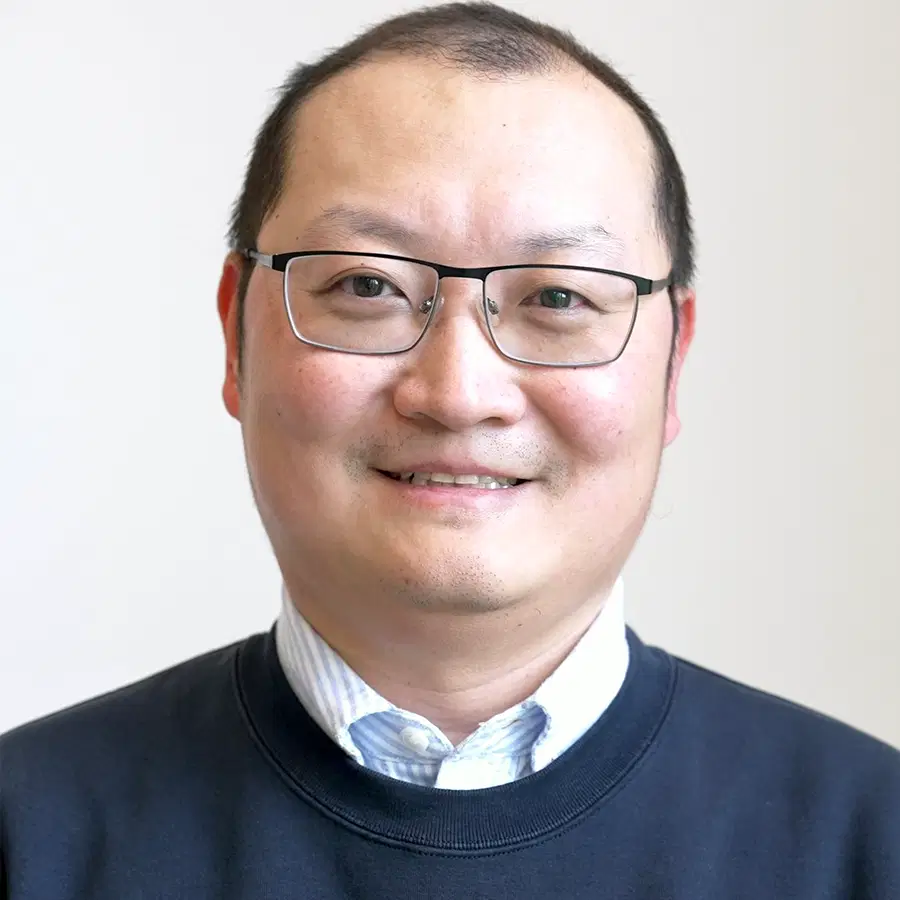
Research Assistant
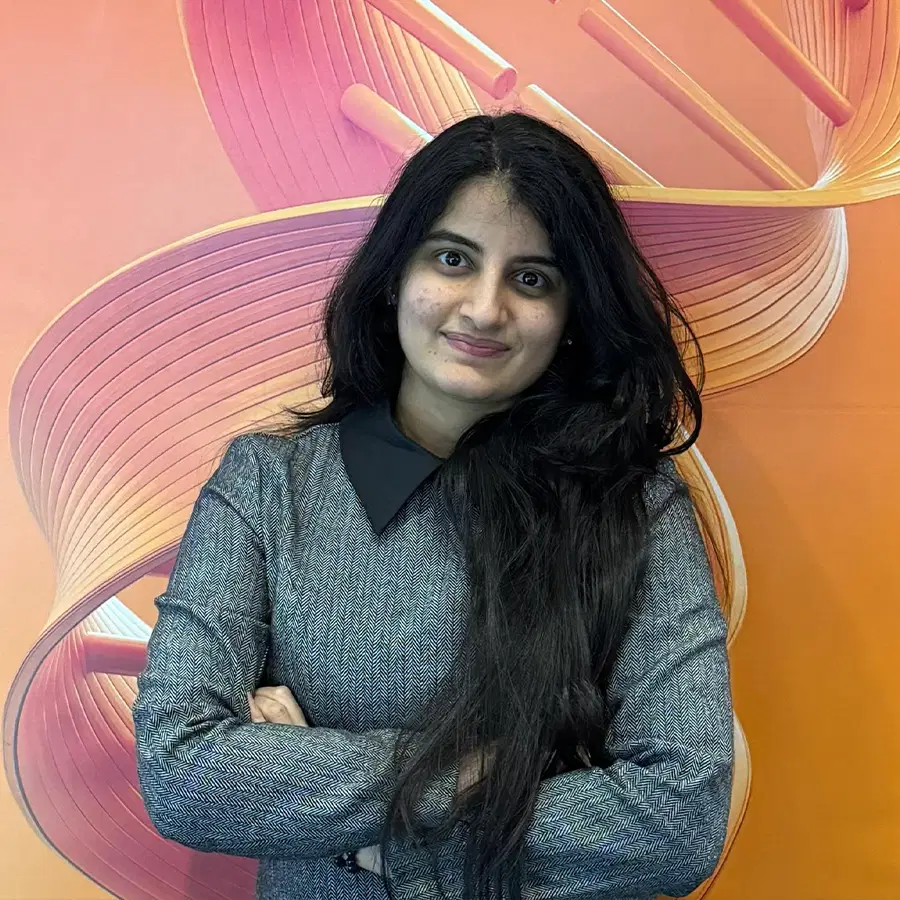
Vaidehi Pandya
Vaidehi is a Research Assistant working in computational pathology and software development and at the University of Glasgow in Ke Yuan’s Lab. Her work focuses on developing a platform for whole-slide image analysis that integrates digital pathology, image processing pipelines, interactive visualization tools, and deep learning models. Her interests include computational pathology, digital health technologies, scientific software engineering, and the development of interpretable data-driven systems for biomedical research.
PhD Student
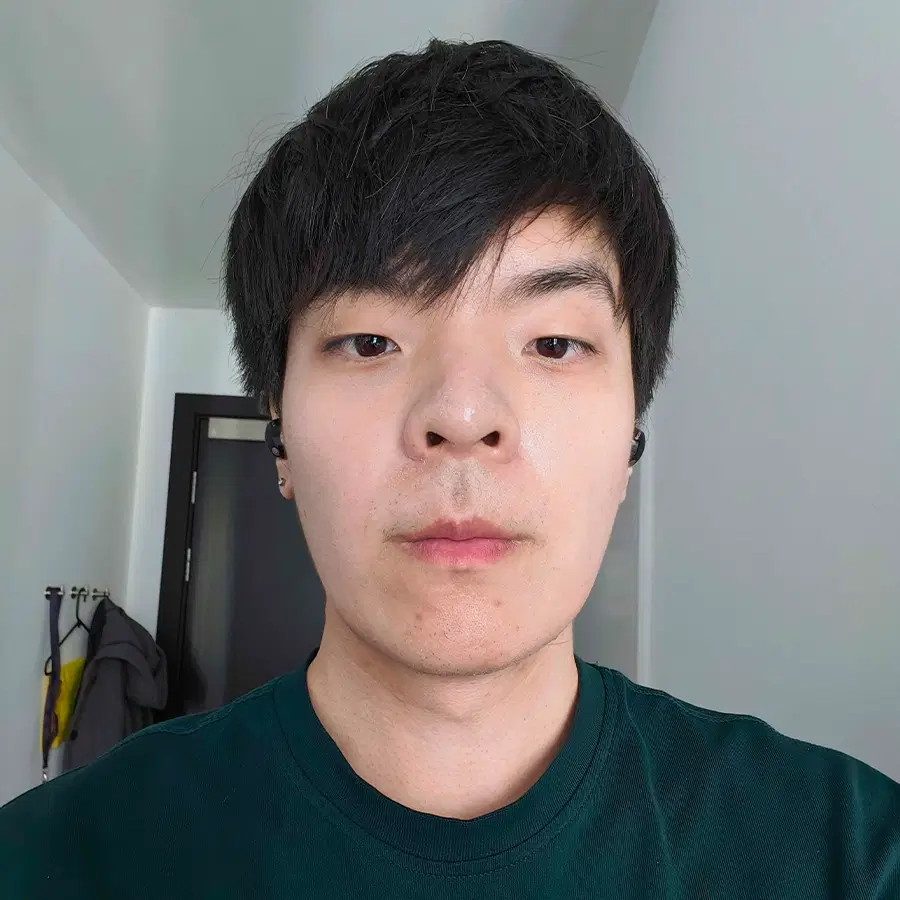
Chisanu (Charlie) Thumarat*
Information about this team member’s research interests, experience, and background will be added soon. Please check back for updates.
PhD Student
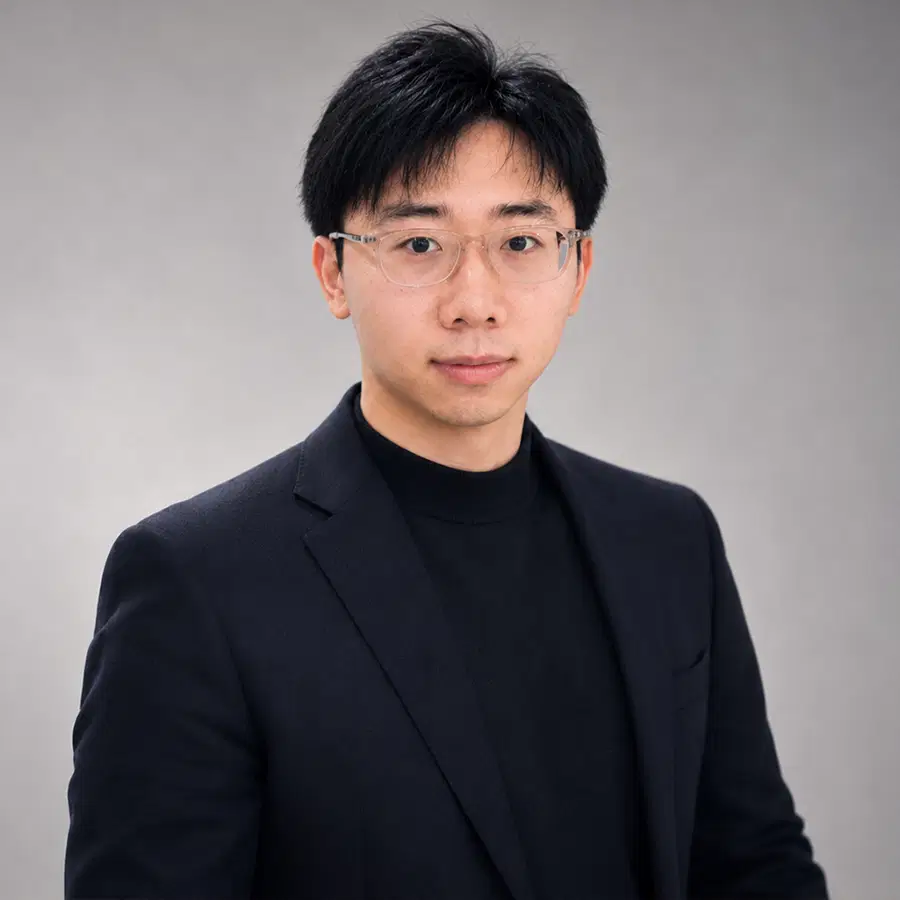
Zhaohan Meng
Zhaohan Meng is a third-year PhD candidate in Computing Science at the University of Glasgow. His research interests span computational biology, protein foundation models, and self-evolving scientific agents. He develops knowledge-driven and explainable AI systems that integrate foundation models with structured biomedical knowledge to support biomedical discovery.
PhD Student
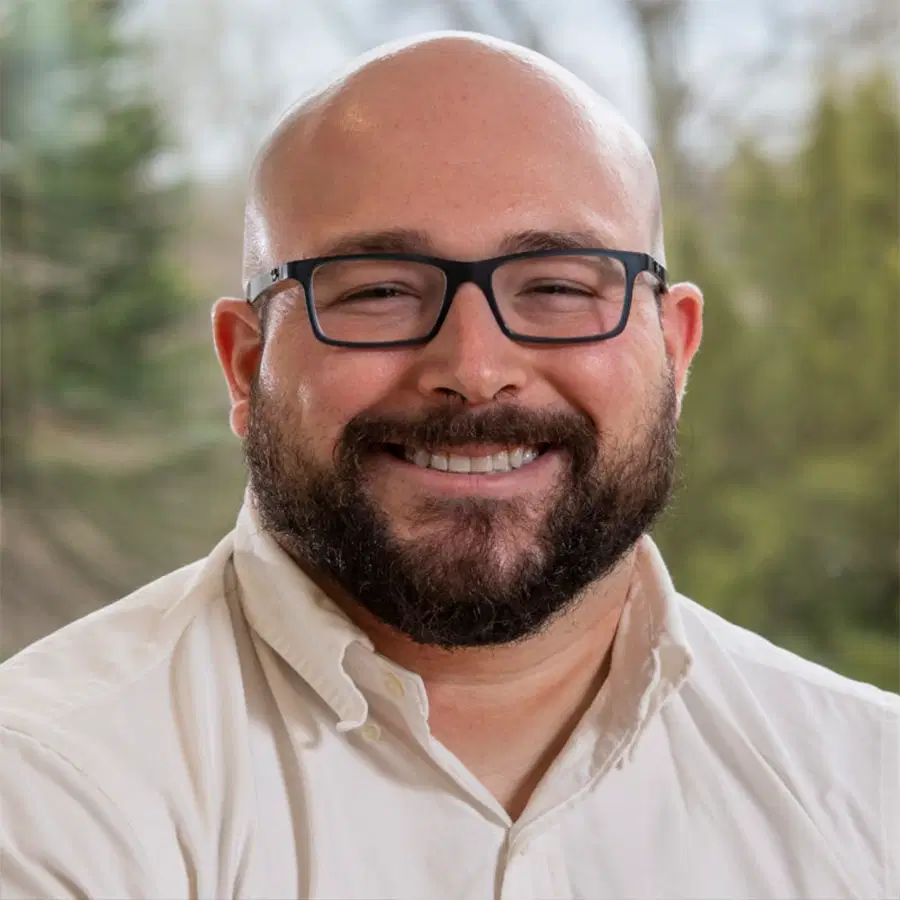
David Meltzer
I am a fourth-year PhD student using image-based machine learning to explore intratumoral heterogeneity in pancreatic cancer.
PhD Student
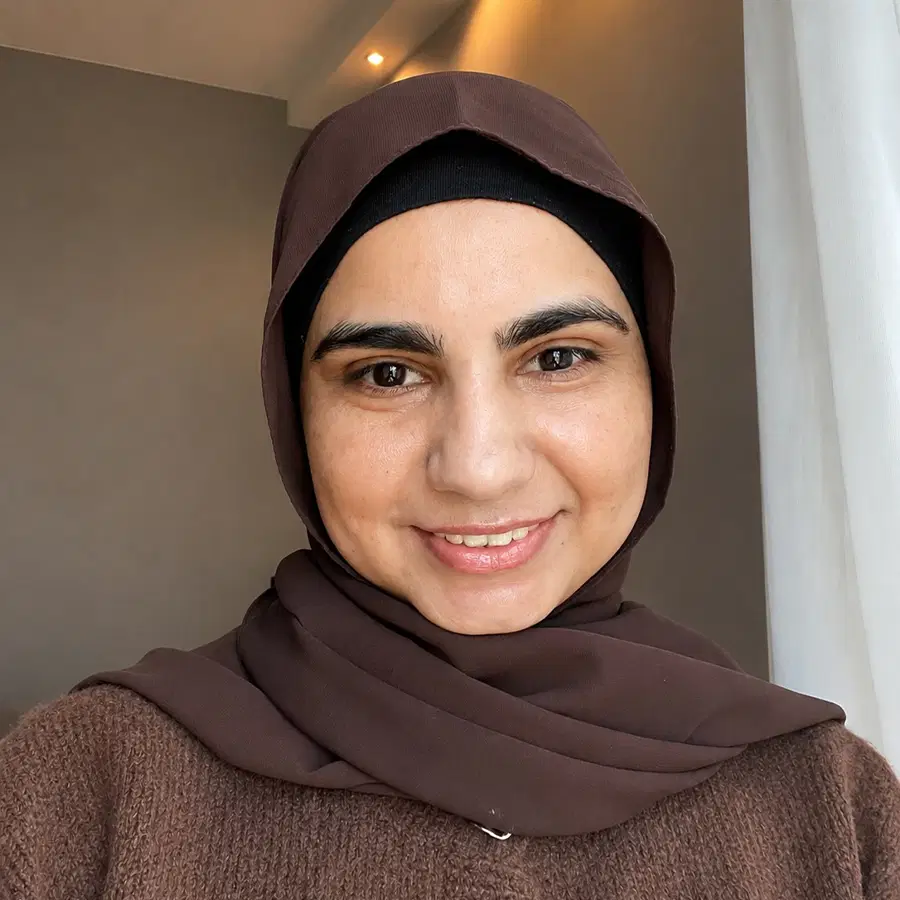
Rozeena Arif
Rozeena is a PhD researcher in computational biology and artificial intelligence at the Centre for Virus Research, University of Glasgow supervised by Alfredo Castello, Ke Yuan and David L. Robertson. Her research focuses on leveraging protein language models and deep learning approaches to identify and characterize nucleic acid-binding proteins and functional binding domains from sequence data. She develops computational methods for protein classification, binding site prediction, model interpretability, and mutation impact analysis, aiming to improve our understanding of protein function and molecular interactions. Her interests include bioinformatics, machine learning, protein language models, explainable AI, and computational approaches for biological discovery.
PhD Student

Lucas Farndale
I am a PhD student working at the interface of experimental and computational biology, developing methods for biological discovery from multiplex imaging data. My research investigates the immune factors affecting metastasis in prostate cancer, though these approaches are broadly applicable across cancer types. Coming from a background in mathematics, I leverage both computational and wet-lab techniques to decode the complexity of cancer. Outside the lab, I do as much science outreach as possible, and love sports, particularly cricket, hockey, chess, and visiting football grounds all over the world.
PhD Student
Aubrey Agub*
Information about this team member’s research interests, experience, and background will be added soon. Please check back for updates.
Research Assistant
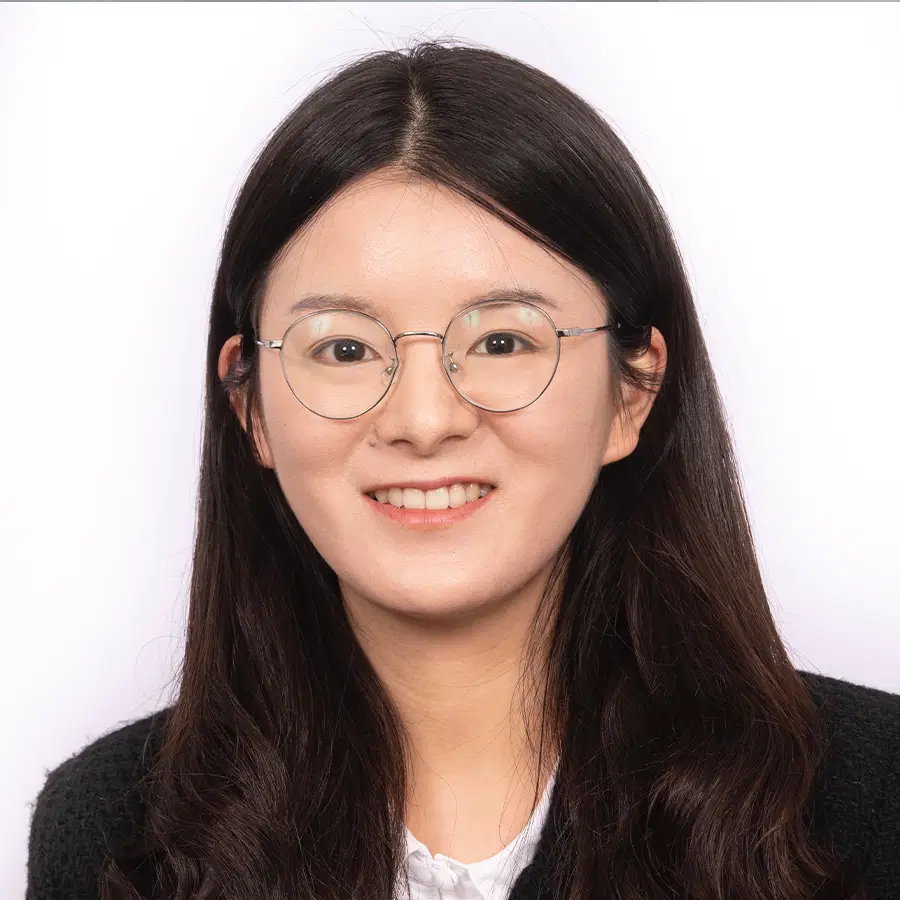
Dan Liu
I completed my PhD in Virology in 2025 at the University of Glasgow, where I developed protein language model-based computational methods for predicting protein-protein interactions. I am currently a Research Assistant in the School of Cancer Sciences at the University of Glasgow, developing computational models to improve the accuracy and interpretability of protein interaction prediction. My research interests lie at the intersection of computational biology, bioinformatics, and machine learning. Outside of research, I enjoy hiking, badminton, yoga, and climbing.
PhD Student
Farzaneh Alsdat Seyedshahi*
Information about this team member’s research interests, experience, and background will be added soon. Please check back for updates.
PhD Student
Javad Mozaffari*
Information about this team member’s research interests, experience, and background will be added soon. Please check back for updates.
PhD Student
Kieran Lamb*
Information about this team member’s research interests, experience, and background will be added soon. Please check back for updates.