

Local and Systemic Functions of the Intestine in Health and Disease
Group Leader:
Prof Julia Cordero
Research in our laboratory aims to elucidate the mechanisms by which intestinal stem cells (ISCs) adapt and respond to changes in their micro- and macro-environment, how the intestine senses and controls whole-body homeostasis, and how intestinal dysfunction can lead to broader organismal instability.
We use the fruit fly Drosophila melanogaster as a primary research model system due to its unparalleled genetic power and amenability for multi-organ in vivo studies combined with experiments in mammalian systems.

Lab Reports
click here to read

Recent Publications
click here to read

Lab Members
click here to read
Recent Publications
2025
Medina AB, Perochon J, Tian Y, Johnson CT, Holcombe J, Ramesh P, Polcowñuk S, Yu Y, Cordero JB. Neuroendocrine control of intestinal regeneration through the vascular niche in Drosophila. Dev Cell. 2025.
Phillips JA, Perochon J, Johnson CT, Walker M, Nixon C, Hughes M, Barros-Carvalho A, Yu Y, Mitchell L, Blyth K, Vassalli M, Cordero JB. Intestinal Tissue Mechanics Regulate Angiogenesis and Stem Cell Proliferation via Vascular Piezo. bioRxiv. 2025:2025.2004.2016.649133.
2022
Chen Z, Cordero J, Alqarni AM, Slack C, Zeidler MP, Bellantuono I. Zoledronate Extends Health Span and Survival via the Mevalonate Pathway in a FOXO-dependent Manner. J Gerontol A Biol Sci Med Sci. 2022;77:1494-1502.
Medina A, Bellec K, Polcowñuk S, Cordero JB. Investigating local and systemic intestinal signalling in health and disease with Drosophila. Dis Model Mech. 2022; 15:dmm049332.
2021
Guillermin O, Angelis N, Sidor CM, Ridgway R, Baulies A, Kucharska A, Antas P, Rose MR, Cordero J, Sansom O, Li VSW, Thompson BJ. Wnt and Src signals converge on YAP-TEAD to drive intestinal regeneration. Embo j. 2021:e105770.
Hodgson JA, Parvy JP, Yu Y, Vidal M, Cordero JB. Drosophila Larval Models of Invasive Tumorigenesis for In Vivo Studies on Tumour/Peripheral Host Tissue Interactions during Cancer Cachexia. Int J Mol Sci. 2021;22:8317.
Nászai M, Bellec K, Yu Y, Román-Fernández A, Sandilands E, Johansson J, Campbell AD, Norman JC, Sansom OJ, Bryant DM, Cordero JB. RAL GTPases mediate EGFR-driven intestinal stem cell proliferation and tumourigenesis. Elife. 2021 Jun 7;10:e63807.
Perochon J, Yu Y, Aughey GN, Medina AB, Southall TD, Cordero JB. Dynamic adult tracheal plasticity drives stem cell adaptation to changes in intestinal homeostasis in Drosophila. Nat Cell Biol. 2021;23:485–496.
2020
Bellec K, Cordero JB. The Peroxisome: A New Player in Intestinal Epithelial Repair. Dev Cell. 2020;53:131-132.
2019
Johansson J, Naszai M, Hodder M, Pickering K, Miller BW, Ridgway RA, Yu Y, Peschard P, Brachmann B, Campbell AD, Cordero JB, Sansom OJ. RAL GTPases drive intestinal stem cell function and regeneration through internalization of WNT signalosomes. Cell Stem Cell. 2019 Apr 4;24(4):592-607.e7. (Commentary in Cell Stem Cell 2019 Apr 4;24:499-500.)
Parvy JP, Yu Y, Dostalova A, Kondo S, Kurjan A, Bulet P, Lemaitre B, Vidal M, Cordero JB. The antimicrobial peptide Defensin cooperates with Tumour Necrosis Factor to drive tumour cell death in Drosophila. Elife. 2019;8:e45061. Recommended by the Faculty of 1000.
Scopelliti A, Bauer C, Yu Y, Zhang T, Krüspig B, Murphy DJ, Vidal M, Maddocks OK, Cordero JB. A neuronal relay mediates a nutrient responsive gut/fat body axis regulating energy homeostasis in adult Drosophila. Cell Metab. 2019 Feb 5;29:269-284.e10.
2018
Parvy JP, Hodgson JA, Cordero JB. Drosophila as a Model System to Study Nonautonomous Mechanisms Affecting Tumour Growth and Cell Death. Biomed Res Int. 2018:7152962.
Perochon J, Carroll LR, Cordero JB. Wnt Signalling in Intestinal Stem Cells: Lessons from Mice and Flies. Genes (Basel). 2018;9. pii: E138.
2017
Tian A, Benchabane H, Wang Z, Zimmerman C, Xin N, Perochon J, Kalna G, Sansom OJ, Cheng C, Cordero JB, Ahmed Y. Intestinal stem cell overproliferation resulting from inactivation of the APC tumor suppressor requires the transcription cofactors Earthbound and Erect wing. PLoS Genet. 2017 Jul 14;13:e1006870.
2016
Scopelliti A, Bauer C, Cordero J, Vidal M. Bursicon-α subunit modulates dLGR2 activity in the adult Drosophila melanogaster midgut independently to Bursicon-β. Cell Cycle. 2016;15:1538-44.
Elbediwy A, Vincent-Mistiaen ZI, Spencer-Dene B, Stone RK, Boeing S, Wculek SK, Cordero J, Tan EH, Ridgway R, Brunton VG, Sahai E, Gerhardt H, Behrens A, Malanchi I, Sansom OJ, Thompson BJ. Integrin signalling regulates YAP and TAZ to control skin homeostasis. Development. 2016;143:1674-87.
Research Assistant
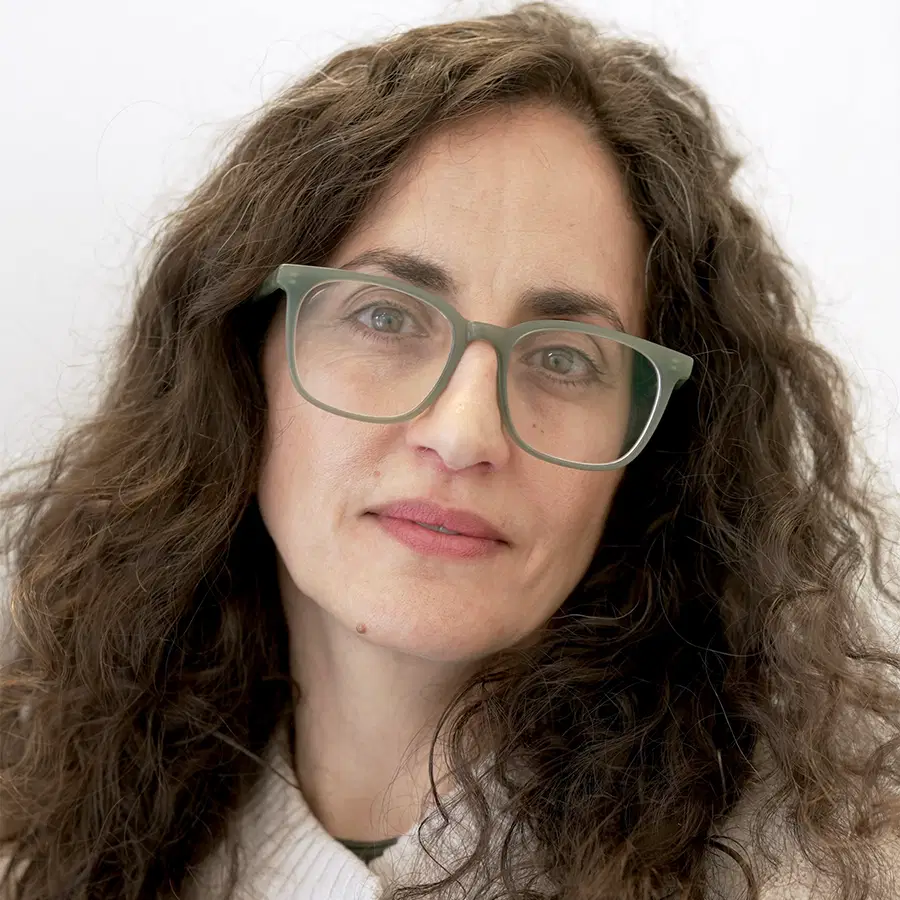
Nourhene Ammar
Nourhene was Born and raised in Tunisia, where she developed an early fascination for the complexity of living systems. Driven by a strong passion for life sciences, she pursued a Bachelor’s degree in cellular and molecular biology before moving to Toulouse, France, to continue her scientific journey. It was during her Master’s studies that she discovered her enthusiasm for tissue regeneration, and more specifically for the mechanisms underlying muscle regeneration.
Supported by funding from AFM-Téléthon in 2021, she pursued my PhD in Rennes in the lab of Hadi Boukhatmi at the Institut de Génétique et Développement de Rennes. There, she deciphered a network of intercellular communication mechanisms activated in response to muscle damage using Drosophila as a model system. During this time, intercellular communication became Nourhene’s main scientific focus, and her interests gradually shifted from “muscle strength” to “gut feelings”, as she became increasingly curious about intestinal biology and ready to “digest” new challenges.
Keen to explore this new direction and deepen her understanding of cellular communication and tissue homeostasis, Nourhene will join the Cordero Lab in May 2026, where she hopes to further investigate how cell-cell interactions shape tissue adaptation in health and disease.
Before starting this new chapter, Nourhene is happily taking time to enjoy one of her other passions - baking and creating delicious food.
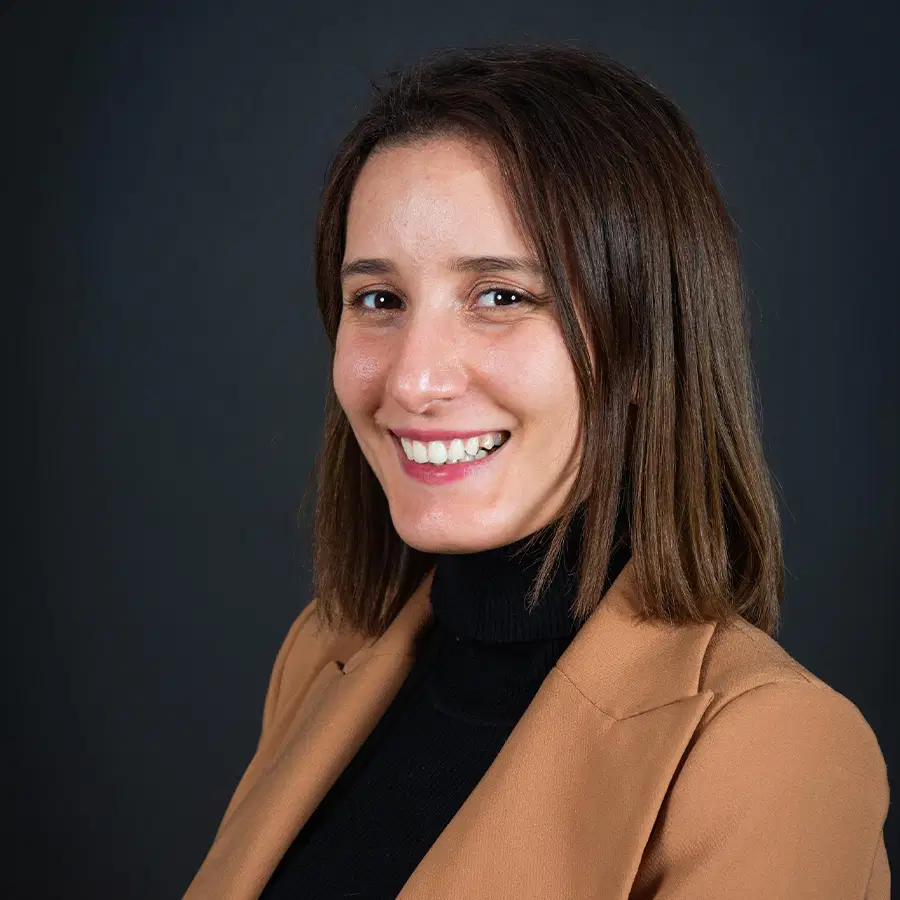
PhD student
Utkarsh Bhore
Hailing from India, Utkarsh's lifelong curiosity centres around how signals mould organisms' choices and adaptations. His research journey kicked off with an internship investigating the interplay of dispersal, nutritional availability, and environmental cues on survival strategies. 🧬Diving deeper into this field, he realised that environmental signals control whole-body homeostasis through various signalling pathway. His master's thesis at IISER Berhampur focused on the role of miRNA let-7 in ovarian development, using Drosophila as a model. His research extended to exploring miRNA let-7's role in Wilms tumour using cell lines, guided by mentors Dr. R Selvi Bharathavikru and Dr. Bodhisatta Nandy.🔬Utkarsh is grateful to have received a studentship from Cancer Research UK, allowing him to delve into the intricacies of the gut-brain axis and its disruptions in intestinal cancer. He hopes that his dedication and passion will contribute to the collective knowledge of how environmental and systemic cues influence organismal adaptations. Between research endeavours, he eagerly looks forward to exploring the Scottish Highlands, inspired by the magic of Harry Potter and the adventures of Doctor Who. 🏞️📚🚀
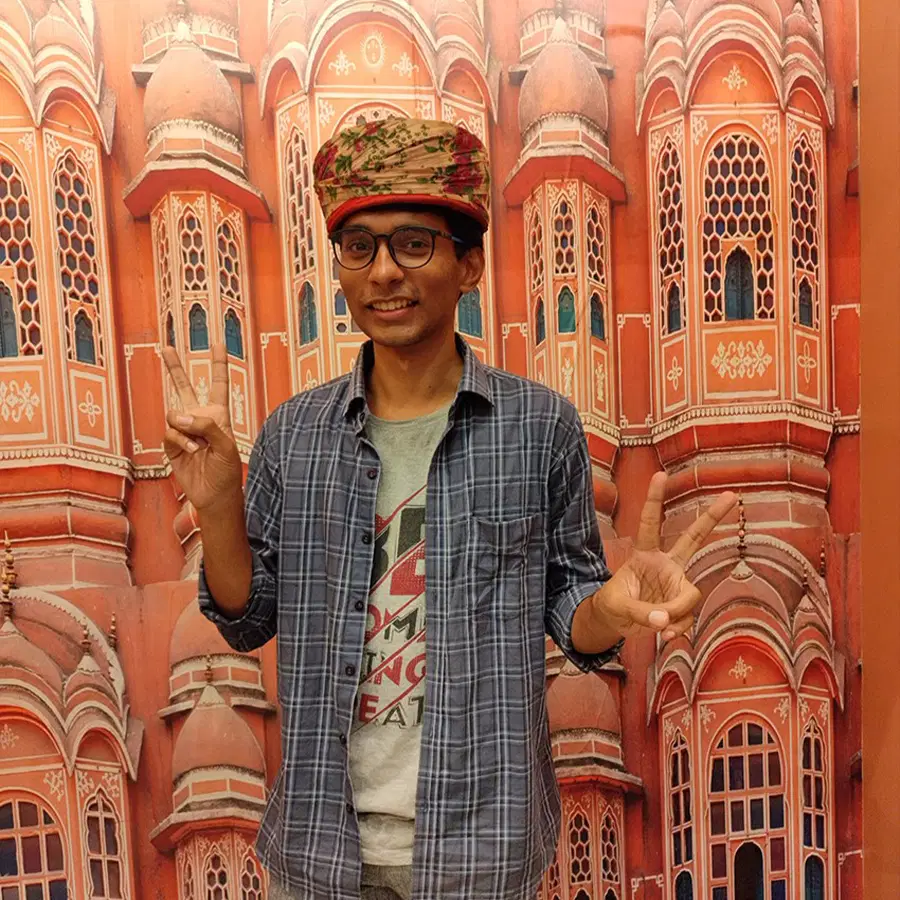
PhD student
Cai Johnson
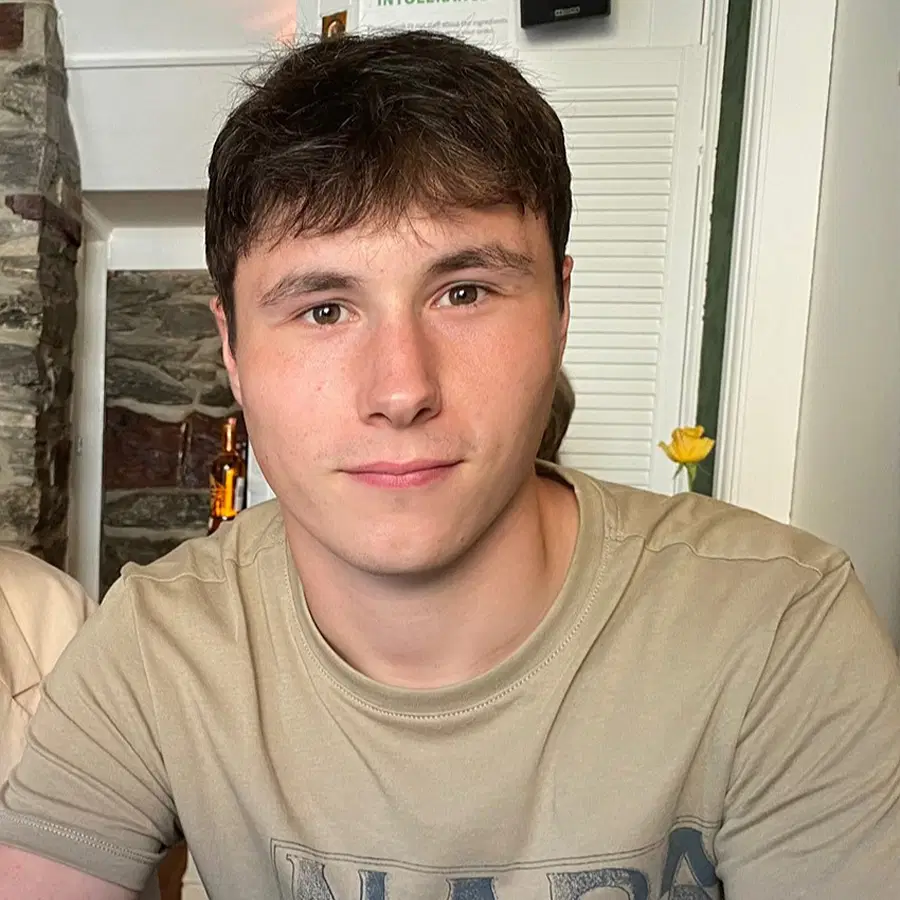
Born in North Wales, Cai grew up in a small village on the side of the Mawddach estuary. He moved to Lancaster in 2019 to complete a BSc in Biochemistry with Genetics, where he completed a dissertation project investigating DNA replication initiation and kinase inhibition in various cancer types. Following obtaining his undergraduate degree, he studied for an MSc in Cancer Research and Precision Oncology at the University of Glasgow, where he completed a project exploring the anti-cancer properties of γδ T-Cells in colorectal cancer. Captivated by colorectal cancer research with a keen interest in intestinal stem cell regulation, Cai joins the Lab in October 2023 for his PhD in collaboration with Professor Massimo Vassalli and Dr. Andrei Shvarts at the School of Engineering. During his PhD, Cai he will take a multidisciplinary approach, integrating biophysical, computational mechanics and genetic experiments to investigate intestinal/microenvironment interactions during intestinal regeneration and cancer. Cai enjoys doing anything sports-related in his spare time, especially football and running.
Research Assistant
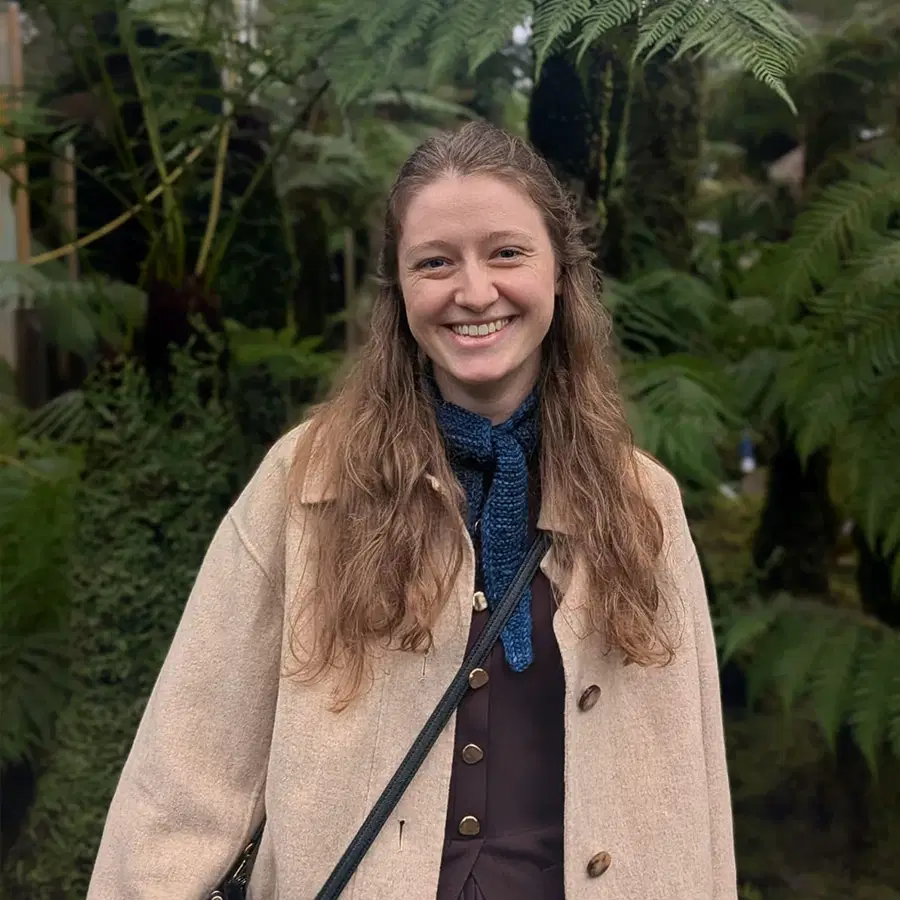
Emer King
Emer, born and raised in Moone, Ireland, has always enjoyed asking questions. Never quite satisfied with answers she could find in textbooks, Emer pursued this curiosity to the Smurfit Institute of Genetics in Trinity College Dublin where she completed her undergraduate in 2020. It was during a final year project on quiescence in stem and cancer stem cells that Emer first became fascinated by these complex cells. Seeking to understand the mechanisms that regulate them, she began her PhD in the Korzelius lab at the University of Kent, where she completed her thesis on the topic of transcriptional regulation of intestinal stem cells in Drosophila. With her insatiable need for even deeper understanding of the fly intestine and its systemic impacts on organismal health and wellbeing, Emer is excited to join the Cordero lab in January 2026. Emer joins the lab to delve deeper into the impact of colorectal cancer on the gut-brain axis. She hopes to apply her knowledge of signalling pathways and the intestine, to ask more questions and (hopefully!) find more answers. While not in the lab Emer can be found feeding her hungry cats, knitting socks or being overly-competitive at a pub quiz.
Postdoctoral researcher
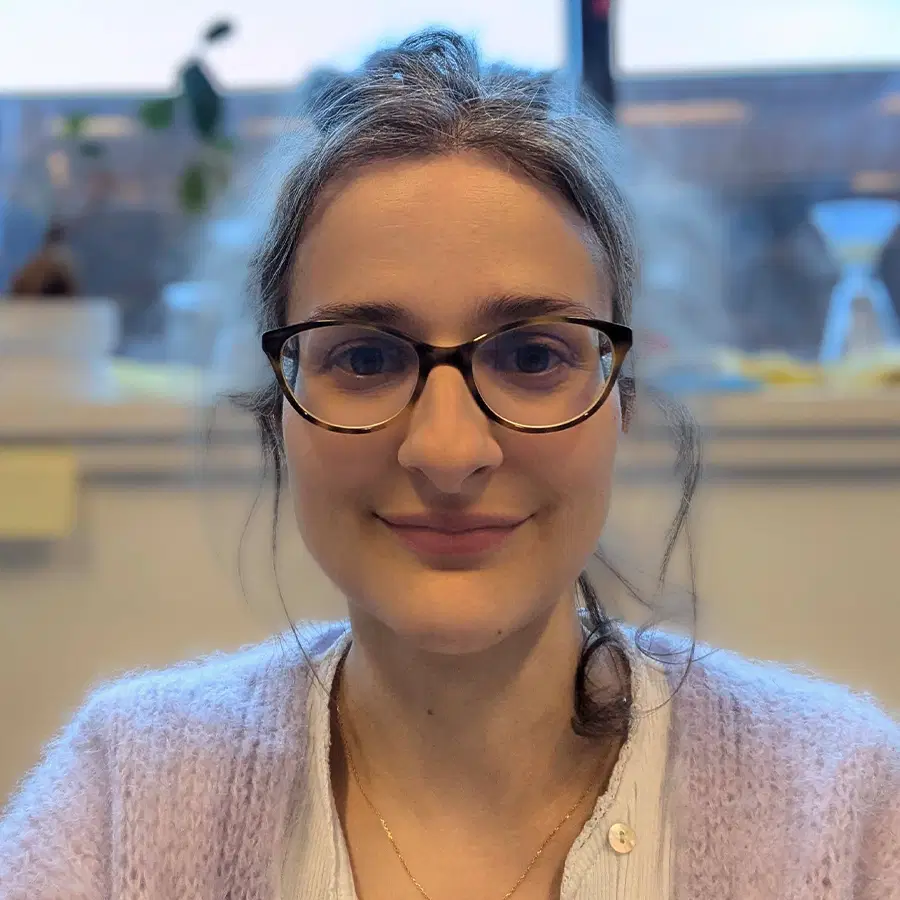
Jessica Perochon
Always passionate about Life science, Jess followed her undergraduate education in her natal Paris with a PhD at the University of Versailles Saint Quentin-en-Yvelines (UVSQ), also in France. During her PhD, she worked with Drosophila as a model organism to study the consequences of chronic Endoplasmic Reticulum (ER) stress at the molecular and tissue level. After her PhD, Jess realised she loved flies and whisky too much and then decided to move to Scotland for a post-doc in our lab at the end of 2015. Jessica’s project involves inter-organ communication programs and their impact on intestinal homeostasis. More precisely, she studies the communication between intestinal stem cells and the gut associated, vasculature-like tracheal system.
Research Assistant
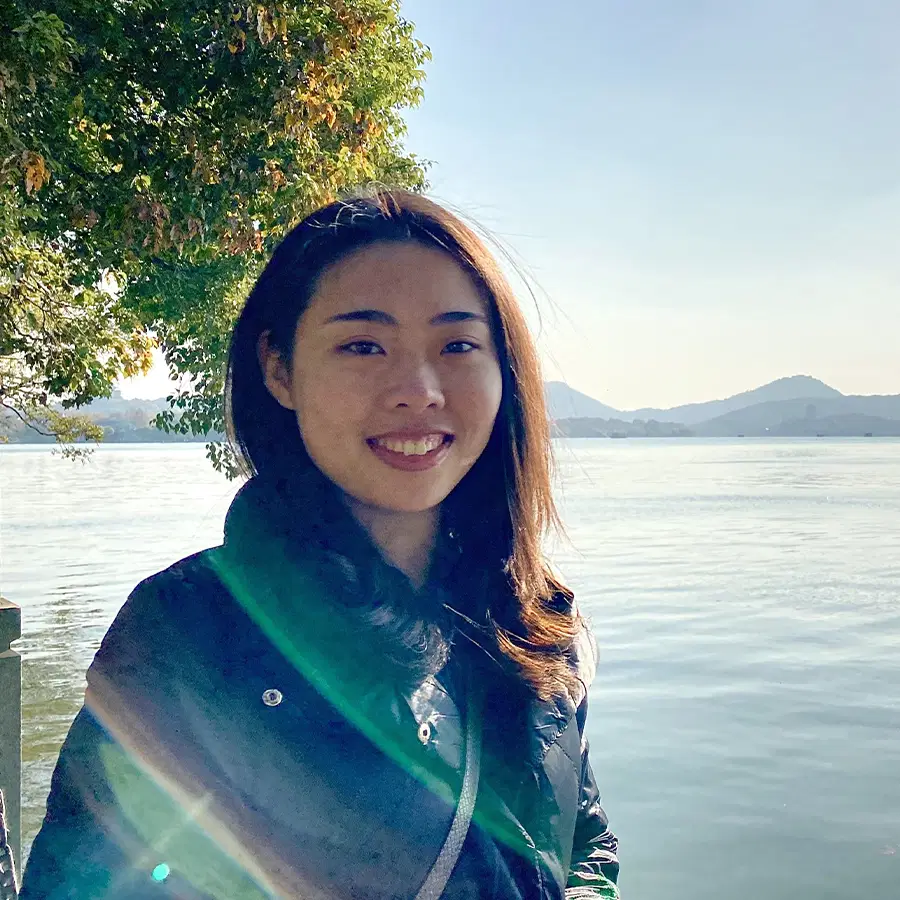
Yuanliangzi Tian
Tian was born and raised in China. She did her undergraduate studies in Animal Science at Sichuan Agricultural University, where she studied the intestinal bacteria adaptation to the bamboo diet of the Giant Panda. This lab experience inspired her interests in biological research and drove her to do a Master’s degree. Since then, she started to work on Drosophila with a main focus on the function of vacuolar ATPases in the maintenance of adult intestinal homeostasis. Beyond that, she also did some work on the screening of anti-ageing agents using Drosophila as a model system. In 2020, Tian got her Master’s degree in Genetics and was awarded a scholarship from the China Scholarship Council to join our lab as a PhD student. Because of the pandemic, Tian arrived to the lab in March 2021, which was six-month later than expected. However, she is now here, and we are all very excited to have her with us to continue her research with amazing fly intestine and the metabolic adaptations it undergoes during regeneration.
Lab Manager – Principal Scientific Officer
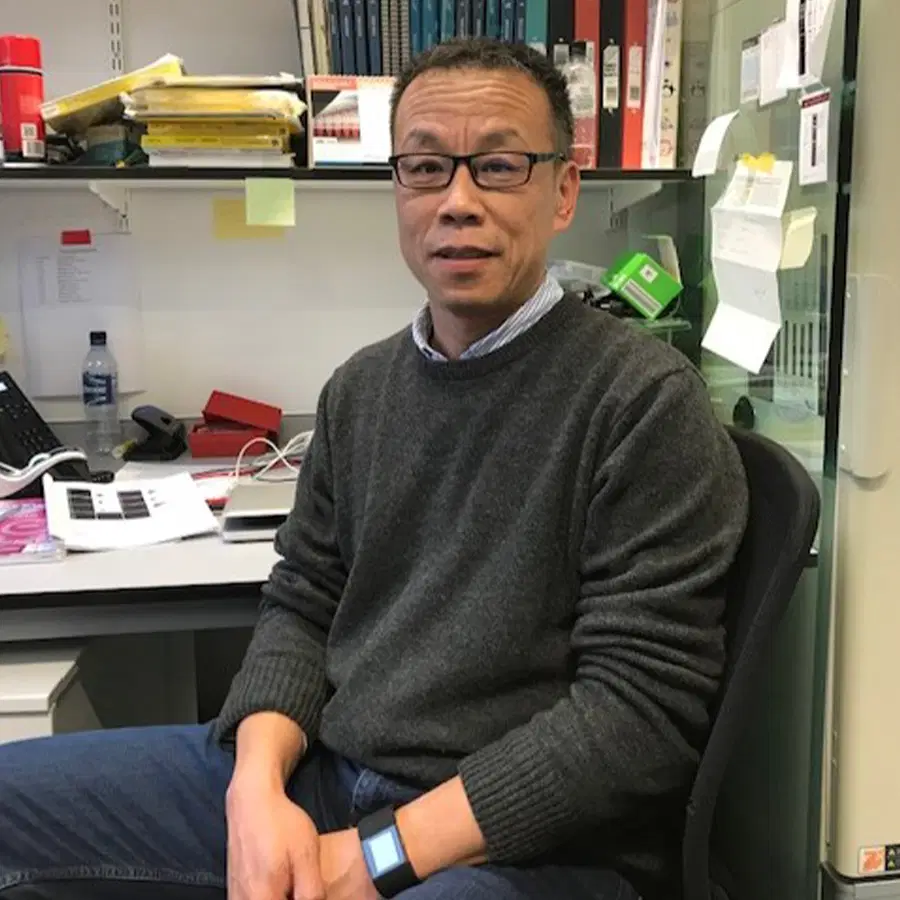
Yachuan Yu
Yachuan was born in China where he trained as a Chemist. After that, he moved to the UK, to do a PhD and postdoc at the University of Swansea, studying genome stability and DNA repair with Prof. Raymond Waters. He then did a second postdoc on spermatogenesis in Drosophila under the direction of Prof. Helen White-Cooper. In 2013, Yachuan joined Marcos Vidal’s group at the CRUK Beatson Institute as a Scientific Officer/Lab manager and, since 2016, he has become a central member of our laboratory. He is not only responsible for the everyday management of the lab and overall technical assistance but also for the development and troubleshooting of new techniques. Yachuan’s contribution over the years has been essential to allow Julia to create a friendly and competitive research environment as well as to keep her sanity (to a certain extent…).
PhD Student

Gauri Panzade
Originally from India, Gauri is fascinated by the ways tumours manage to influence the body far beyond where they begin. Before joining the lab, she worked in the lab of Dr. Rohan Khadilkar at ACTREC, India, studying the cancer cachexia and tumour-host interactions using Drosophila larval gut tumour model. Her work sparked a growing interest in how tumours communicate with distant tissues and reshape systemic physiology.
During her PhD, which starts in October 2026 in collaboration with Dr. Johan Vande Voorde, Gauri hopes to further explore the relationship between intestinal tumours, metabolism, and behavioural dysfunction during disease progression.
Outside the lab, Gauri can usually be found planning trips she may or may not take, curating playlists for every possible mood, or sitting in a café with a coffee slowly going cold while she gets lost in music, and far too many open tabs.