

Mitochondrial Reprogramming in Cancer
Group Leader:
Dr Tom MacVicar
Tumours must overcome numerous metabolic challenges to thrive in nutrient-deprived microenvironments and to evade therapeutics. Mitochondria are dynamic organelles that provide the metabolic flexibility and plasticity demanded by cancer cells. Our overall objectives are to understand how mitochondria are reprogrammed at different stages of tumorigenesis and to reveal metabolic vulnerabilities in cancer by targeting mitochondrial metabolite transporters.

Lab Reports
click here to read

Recent Publications
click here to read

Lab Members
click here to read
Recent Publications
2026
MacVicar T, Greaves LC, Gammage PA, Tait SWG, Fisher-Wellman KH, Freedman G. Cancer as a window into mitochondrial biology. Cell Metab. 2026(6):1085-1088.
2025
Bahat A, Milenkovic D, Cors E, Barnett M, Niftullayev S, Katsalifis A, Schwill M, Kirschner P, MacVicar T, Giavalisco P, Jenninger L, Clausen AR, Paupe V, Prudent J, Larsson NG, Rogg M, Schell C, Muylaert I, Lekholm E, Nolte H, Falkenberg M, Langer T. Ribonucleotide incorporation into mitochondrial DNA drives inflammation. Nature. 2025.
Dias MM, King MS, Shokry E, Lilla S, Paul N, Thomason P, Zanivan S, Sumpton D, Kunji ERS, MacVicar T. SLC25A45 is required for mitochondrial uptake of methylated amino acids and de novo carnitine biosynthesis. Mol Cell. 2025.
Galloway A, Knop K, Gomez-Moreira C, Xavier V, Thomson S, Yoshikawa H, Suska O, Lukoszek R, Kaskar A, Lamond AI, MacVicar T, Cowling VH. CMTR1 directs mitochondrial dynamics during T cell activation through epitranscriptomic regulation of splice isoforms. Cell Rep. 2025;44(10):116412.
Lilla S, Atkinson S, Radau S, Bailey UM, Deshmukh AS, van der Reest J, Kirkpatrick J, MacVicar T, Zanivan S. SICyLIA-cTMT dissects redox proteome dynamics with high accuracy and depth at microgram scale. Cell Rep Methods. 2025:101210.
MacVicar T. High tide or low tide: the transport and metabolism of mitochondrial nucleotides. Biochem J. 2025(16).
2024
Chandragiri S, Grotehans N, Lasarzewski Y, Patron M, MacVicar T, Ohba Y, Hermans S, Rugarli E, Nolte H, Langer T. AFG3L2-mediated proteolysis restricts mitochondrial biogenesis and gene expression in hypoxia. bioRxiv. 2024:2024.2009.2027.615438.
Xavier V, Martinelli S, Corbyn R, Pennie R, Rakovic K, Powley IR, Officer-Jones L, Ruscica V, Galloway A, Carlin LM, Cowling VH, Le Quesne J, Martinou JC, MacVicar T. Mitochondrial double-stranded RNA homeostasis depends on cell-cycle progression. Life Sci Alliance. 2024;7(11).
2023
Grotehans N, McGarry L, Nolte H, Xavier V, Kroker M, Narbona-Pérez Á J, Deshwal S, Giavalisco P, Langer T, MacVicar T. Ribonucleotide synthesis by NME6 fuels mitochondrial gene expression. Embo j. 2023;10.15252/embj.2022113256:e113256.
2022
Murschall LM, Peker E, MacVicar T, Langer T, Riemer J. Protein Import Assay into Mitochondria Isolated from Human Cells. Bio Protoc. 2021;11(12):e4057.
Sprenger HG*, MacVicar T*, Bahat A, Fiedler KU, Hermans S, Ehrentraut D, Ried K, Milenkovic D, Bonekamp N, Larsson NG, Nolte H, Giavalisco P, Langer T. Cellular pyrimidine imbalance triggers mitochondrial DNA-dependent innate immunity. Nat Metab. 2021;3(5):636-650.*equal contribution
Willenborg S, Sanin DE, Jais A, Ding X, Ulas T, Nuchel J, Popovic M, MacVicar T, Langer T, Schultze JL, et al. (2021). Mitochondrial metabolism coordinates stage-specific repair processes in macrophages during wound healing. Cell Metab 33, 2398-2414 e2399. 1
Bahat A*, MacVicar T*, Langer T. Metabolism and Innate Immunity Meet at the Mitochondria. Front Cell Dev Biol. 2021;9:720490.*equal contribution
MacVicar T, Langer T. Mechanometabolism: Mitochondria promote resilience under pressure. Curr Biol. 2021;31(13):R859-r861.
2020
Murschall LM, Gerhards A, MacVicar T, Peker E, Hasberg L, Wawra S, Langer T, Riemer J. The C-terminal region of the oxidoreductase MIA40 stabilizes its cytosolic precursor during mitochondrial import. BMC Biol. 2020;18(1):96.
Ohba Y, MacVicar T, Langer T. Regulation of mitochondrial plasticity by the i-AAA protease YME1L. Biol Chem. 2020;401(6-7):877-890.
Wang Z, Liu F, Fan N, Zhou C, Li D, Macvicar T, Dong Q, Bruns CJ, Zhao Y. Targeting Glutaminolysis: New Perspectives to Understand Cancer Development and Novel Strategies for Potential Target Therapies. Front Oncol. 2020;10:589508.
2019
MacVicar T*, Ohba Y*, Nolte H, Mayer FC, Tatsuta T, Sprenger HG, Lindner B, Zhao Y, Li J, Bruns C, Krüger M, Habich M, Riemer J, Schwarzer R, Pasparakis M, Henschke S, Brüning JC, Zamboni N, Langer T. Lipid signalling drives proteolytic rewiring of mitochondria by YME1L. Nature. 2019;575(7782):361-365. *equal contribution
Richter F, Dennerlein S, Nikolov M, Jans DC, Naumenko N, Aich A, MacVicar T, Linden A, Jakobs S, Urlaub H, Langer T, Rehling P. ROMO1 is a constituent of the human presequence translocase required for YME1L protease import. J Cell Biol. 2019;218(2):598-614.
Sprenger HG, Wani G, Hesseling A, König T, Patron M, MacVicar T, Ahola S, Wai T, Barth E, Rugarli EI, Bergami M, Langer T. Loss of the mitochondrial i-AAA protease YME1L leads to ocular dysfunction and spinal axonopathy. EMBO Mol Med. 2019;11(1).
Ahola S, Langer T, MacVicar T. Mitochondrial Proteolysis and Metabolic Control. Cold Spring Harb Perspect Biol. 2019;11(7).
2018
Nolte H, MacVicar TD, Tellkamp F, Krüger M. Instant Clue: A Software Suite for Interactive Data Visualization and Analysis. Sci Rep. 2018;8(1):12648.
2016
Hartmann B, Wai T, Hu H, MacVicar T, Musante L, Fischer-Zirnsak B, Stenzel W, Gräf R, van den Heuvel L, Ropers HH, Wienker TF, Hübner C, Langer T, Kaindl AM. Homozygous YME1L1 mutation causes mitochondriopathy with optic atrophy and mitochondrial network fragmentation. Elife. 2016;5.
MacVicar T, Langer T. OPA1 processing in cell death and disease – the long and short of it. J Cell Sci. 2016;129(12):2297-2306.
2015
MacVicar TD*, Mannack LV*, Lees RM, Lane JD. Targeted siRNA Screens Identify ER-to-Mitochondrial Calcium Exchange in Autophagy and Mitophagy Responses in RPE1 Cells. Int J Mol Sci. 2015;16(6):13356-13380. *equal contribution
2014
MacVicar TD, Lane JD. Impaired OMA1-dependent cleavage of OPA1 and reduced DRP1 fission activity combine to prevent mitophagy in cells that are dependent on oxidative phosphorylation. J Cell Sci. 2014;127(Pt 10):2313-2325.
2013
MacVicar T. Mitophagy. Essays Biochem. 2013;55:93-104.
2012
Betin VM, MacVicar TD, Parsons SF, Anstee DJ, Lane JD. A cryptic mitochondrial targeting motif in Atg4D links caspase cleavage with mitochondrial import and oxidative stress. Autophagy. 2012;8(4):664-676.
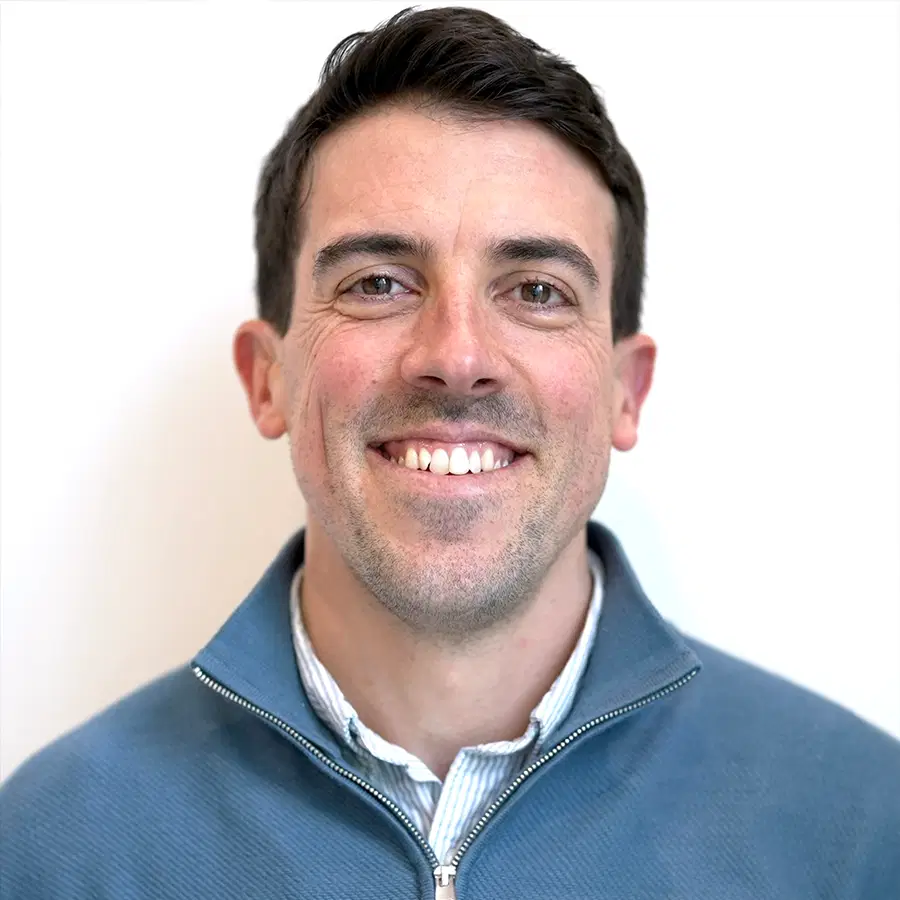
Research Scientist

Vanessa Xavier
I am a postdoctoral researcher who is investigating how changes in mitochondrial nucleotide metabolism and transport control cancer progression, from tumorigenesis to radiotherapy. Originally from Singapore, I have worked on various projects across Europe during my post-graduate studies ranging from induced pluripotent stem cells, genomic instability in cancer and mitochondrial genetics. When not in the lab, I enjoy dabbling in various hobbies and taking city breaks.
Principle Scientific Officer
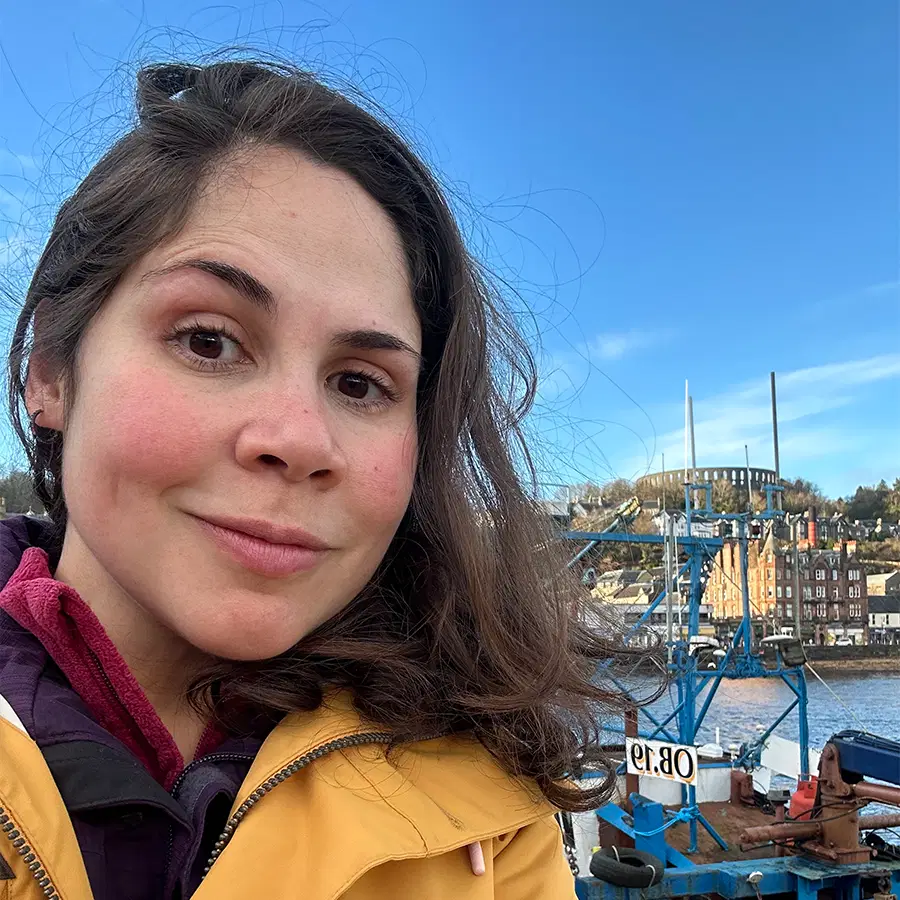
Marilia Meira Dias
I am the lab's Principal Scientific Officer, following my scientific interest in cell metabolism to explore the role of mitochondrial metabolite transport in cancer progression. I also support the day-to-day operations of the group. Before joining the CRUK Scotland Institute, I worked in a research institute in my home country of Brazil studying the molecular mechanism of glutaminase activation. Beyond the lab, I like exploring new places and trekking through nature.
Graduate Student
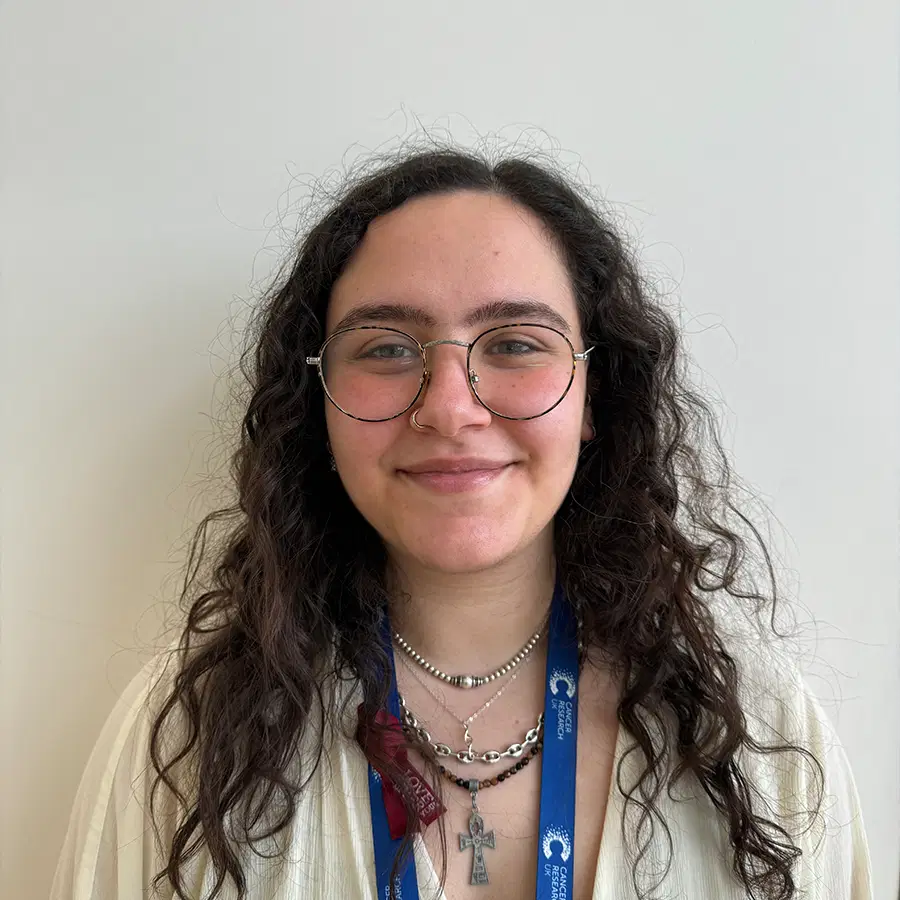
Sara Gohard
My name is Sara and I am a PhD student from Cairo, Egypt. I completed my Bachelor’s and Master’s in Biochemistry and Genetics at the University of Sheffield, and went on to work as an RA in 57357 Children’s Cancer Hospital in Egypt on mitochondrial dysfunction in pediatric cancers. I recently moved to the MacVicar lab to start my PhD, where my research focuses on investigating the role of pyrimidine nucleotide metabolism in MASLD-induced Hepatocellular Carcinoma. Outside of work, I enjoy going on hikes and being in nature, live music, and volleyball.