

Phenotypic Plasticity in Colorectal Cancer
Group Leader:
Prof Philip Dunne
Our research team remain focussed on tumour-based discovery in colorectal cancer (CRC), utilising large collections of both human and preclinical mouse tumour tissue to interrogate molecular and morphological features to gain a better understanding of disease. In the last 12 months, we have shifted focus to a much more equal balance of using human-mouse in combination, to improve our understanding of disease. In addition, our group has increasingly found that information derived from normal tissue and early precancerous polyps, can deliver new insights on tumour biology compared to analyses of tumour samples alone. This recent work integrates molecular biology, computational analysis, and translational pathology, allowing us to delve into the dynamics of biological signalling during tumour initiation, development and progression.

Lab Reports
click here to read

Recent Publications
click here to read

Lab Members
click here to read
Recent Publications
2026
Adali Y, Loughrey MB, Craig S, Gray RT, James JA, Salto-Tellez M, Dunne PD, Coleman HG. Smoking, alcohol and colon cancer survival is modified by immune biomarkers: a population-representative study. Carcinogenesis. 2026.
Corry SM, Sakhnevych S, Mohamed NE, Malla SB, Byrne R, Young A, Amirkhah R, Bull C, Lees A, Redmond K, Lannagan TRM, Ridgway RA, Taggart FR, Fisher NC, Maughan T, Lawler M, Campbell AD, Leedham SJ, Ryan AE, Longley DB, Small DM, Sansom OJ, Dunne PD. Viral mimicry redirects immunosuppressed colorectal tumour landscapes towards a proinflammatory and CMS1-like regenerative state. Commun Biol. 2026.
Hillson LVS, McMahon RK, Galbraith NJ, McCulloch AK, Kong CY, Woraharn W, Melissourgou-Syka L, Pennel KAF, Quinn JA, Jones L, Amirkhah R, Fisher N, Maka N, Ammar A, Hatthakarnkul P, Tang L, Smith A, Milling S, McDonald AC, Nair H, Horgan PG, Steele CW, Graham JS, Dunne PD, Edwards J, O’Cathail SM, Roxburgh CS. Differential Immunological Effects of Short-Course and Long-Course Radiotherapy in Locally Advanced Rectal Cancer. Clin Cancer Res. 2026.
Mulholland-Illingworth EJ, Moore JW, Lin M, Amirkhah R, Grzesiak L, Ligeza A, Bull JA, Boen J, Valbuena GN, Gillespie MA, Lannagan TRM, Gilroy K, Mills ML, Corry SM, Ridgway RA, Belnoue-Davis HL, Dunne PD, Sansom OJ, Byrne HM, Leedham SJ. Therapeutic manipulation and spatial quantification of the tumor microenvironment in colorectal cancer. iScience. 2026;29(4):115193.
Riggio AI, Sweeney K, Shaw R, Lawlor A, Khan A, Ferrari N, Anand J, Galbraith LC, Gilroy K, Bull C, Young AL, Athineos D, Hall H, Ghaffar F, Hughes M, Mitchell CA, Mitchell L, Nixon C, Adams PD, Roberts EW, Miller CJ, Dunne PD, Campbell KJ, Cameron ER, Blyth K. Runx1 and Runx2 act in concert to suppress Wnt/β-catenin-driven mammary tumourigenesis. Br J Cancer. 2026.
2025
Al Bakir I, Curtius K, Cresswell GD, Grant HE, Nasreddin N, Smith K, Nowinski S, Guo Q, Belnoue-Davis HL, Fisher J, Clarke T, Kimberley C, Mossner M, Dunne PD, Loughrey MB, Speight A, East JE, Wright NA, Rodriguez-Justo M, Jansen M, Moorghen M, Baker AM, Leedham SJ, Hart AL, Graham TA. Low-coverage whole genome sequencing of low-grade dysplasia strongly predicts advanced neoplasia risk in ulcerative colitis. Gut. 2025.
Cammareri P, Raponi M, Hong Y, Billard CV, Peckett N, Zhu Y, Velez-Bravo FD, Younger NT, Dunican DS, Pohl S, Bastem Akan A, Doleschall NJ, Falconer J, White M, Quinn J, Pennel K, Garau R, Malla SB, Dunne PD, Meehan RR, Sansom OJ, Edwards J, Dunlop MG, Din FVN, Tejpar S, Steele CW, Myant KB. Loss of colonic fidelity enables multilineage plasticity and metastasis. Nature. 2025.
Ford CA, Koludrovic D, Centeno PP, Foth M, Tsonou E, Vlahov N, Sphyris N, Gilroy K, Bull C, Nixon C, Serrels B, Munro AF, Dawson JC, Carragher NO, Pavet V, Hornigold DC, Dunne PD, Downward J, Welch HCE, Barry ST, Sansom OJ, Campbell AD. Targeting the PREX2/RAC1/PI3Kβ Signaling Axis Confers Sensitivity to Clinically Relevant Therapeutic Approaches in Melanoma. Cancer Res. 2025;85(4):808-824.
Gao Z, Gao Y, Dutton LR, Todd G, Gipson GR, Browne C, Kerr EM, Daly C, Plouffe B, Dunne PD, Brazil DP. Identification of a novel GREMLIN1 uptake pathway in epithelial cells that requires BMP binding. bioRxiv. 2025:2025.2001.2009.632157.
Kanellos G, Giacomelli C, Raven A, Vlahov N, Jin H, Herviou P, Malla SB, Nasreddin N, Centeno PP, Alexandrou C, Gilroy K, Baird RL, Pennel K, Munro J, Waldron JA, Hall H, Officer-Jones L, Bryson S, Strathdee D, Lilla S, Zanivan S, Morrison V, Nixon C, Ridgway RA, Miller C, Knight JRP, Campbell AD, Dunne PD, Le Quesne J, Edwards J, Park PJ, Bushell M, Sansom OJ. Nucleophosmin supports WNT-driven hyperproliferation and tumor initiation. Nat Genet. 2025;58:100-115.
O’Neill KM, Edgar KS, Pun SH, Campbell DC, Toh T, Wong XN, Botezatu B, Kandel J, McCoy U, Nicell J, McClintock C, McLoughlin KJ, Wu Y, Madishetti VV, Moez A, Alsaggaf M, Gill EK, Abudalo RA, O’Neill CL, Pedrini E, Guduric-Fuchs J, Brunssen C, Morawietz H, Dunne PD, Watson CJ, Medina RJ, Grieve DJ. Restoration of NOX4 signalling reverses endothelial colony-forming cell angiogenic dysfunction associated with experimental and clinical diabetes. Stem Cell Res Ther. 2025;16(1):275.
O’Neill A, Zakaria N, Egan H, Corry SM, Bull C, Leonard NA, O’Meara C, Howard L, Walsh A, Reidy E, Che J, Peng L, Cao L, Egan LJ, Ritter T, Sheehan M, Canney A, Culligan K, Hogan AM, Hynes SO, Dunne PD, O’Dwyer M, Treacy O, Ryan AE. Stromal cells modulate innate immune cell phenotype and function in colorectal cancer via the Sialic acid/Siglec axis. bioRxiv. 2025:2025.2003.2014.642985.
Schoenpflug LA, Chatzipli A, Sirinukunwattana K, Richman S, Blake A, Robineau J, Mertz KD, Verrill C, Leedham SJ, Hardy C, Whalley C, Redmond K, Dunne P, Walker S, Beggs AD, McDermott U, Murray GI, Samuel LM, Seymour M, Tomlinson I, Quirke P, Rittscher J, Maughan T, Domingo E, Koelzer VH. Tumour purity assessment with deep learning in colorectal cancer and impact on molecular analysis. J Pathol. 2025;265(2):184-197.
White M, Mills ML, Millett LM, Gilroy K, Hong Y, Zeiger LB, Simpson RJ, Corry SM, Ligeza A, Lannagan TRM, Susanti S, Ridgway RA, Yazgili AS, Grzesiak L, Amirkhah R, Ford CA, Vlahov N, Tovell H, Officer-Jones L, Ficken C, Pennie R, Najumudeen AK, Raven A, Nasreddin N, Chauhan E, Papanastasiou AS, Nixon C, Morrison V, Jackstadt R, Graham JS, Miller CJ, Ross SJ, Barry ST, Pavet V, Wilson RH, Le Quesne J, Dunne PD, Tejpar S, Leedham S, Campbell AD, Sansom OJ. MAPK-driven epithelial cell plasticity drives colorectal cancer therapeutic resistance. Nature. 2025.
Whyte D, Fisher SL, McKenzie CGJ, Sumpton D, Dhayade S, Dornier E, Moore M, Novo D, Peters J, Wiesheu R, Gounis MD, Watt DM, Mackey JBG, McFarlane AJ, Fercoq F, Dehesa Caballero C, Redmond KL, Mitchell LE, Anderson E, Thomson G, Hedley A, Clark W, Leroi S, Dzierozynski LN, Apiz Saab JJ, Lewis CA, Muir A, Halbrook CJ, Strathdee D, Jackstadt R, Nixon C, Dunne P, Carlin LM, Macpherson IR, Roberts EW, Coffelt SB, Blyth K, Sansom OJ, Norman JC, Vande Voorde J, Clarke CJ. Uridine phosphorylase-1 supports metastasis by altering immune and extracellular matrix landscapes. EMBO Rep. 2025.
2024
Bull C, Byrne RM, Fisher NC, Corry SM, Amirkhah R, Edwards J, Hillson LVS, Lawler M, Ryan AE, Lamrock F, Dunne PD, Malla SB. Dual gene set enrichment analysis (dualGSEA); an R function that enables more robust biological discovery and pre-clinical model alignment from transcriptomics data. Sci Rep. 2024;14(1):30202.
Corry SM, Sakhnevych S, Mohamed NE, Malla SB, Byrne R, Young A, Amirkhah R, Bull C, Lees A, Redmond K, Lannagan T, Ridgway R, Taggart FR, Fisher NC, Maughan T, Lawler M, Campbell A, Leedham SJ, Ryan AE, Longley DB, Small D, Sansom OJ, Dunne PD. Viral mimicry redirects immunosuppressed colorectal tumour landscapes towards a proinflammatory and CMS1-like regenerative state. bioRxiv. 2024:2024.2011.2028.625928.
Domingo E, Rathee S, Blake A, Samuel L, Murray G, Sebag-Montefiore D, Gollins S, West N, Begum R, Richman S, Quirke P, Redmond K, Chatzipli A, Barberis A, Hassanieh S, Mahmood U, Youdell M, McDermott U, Koelzer V, Leedham S, Tomlinson I, Dunne P, Buffa FM, Maughan TS. Identification and validation of a machine learning model of complete response to radiation in rectal cancer reveals immune infiltrate and TGFβ as key predictors. EBioMedicine. 2024;106:105228.
Ford CA, Koludrovic D, Centeno PP, Foth M, Tsonou E, Vlahov N, Sphyris N, Gilroy K, Bull C, Nixon C, Serrels B, Munro AF, Dawson JC, Carragher NO, Pavet V, Hornigold DC, Dunne PD, Downward J, Welch HC, Barry ST, Sansom OJ, Campbell AD. Targeting the PREX2/RAC1/PI3Kβ Signaling Axis Confers Sensitivity to Clinically Relevant Therapeutic Approaches in Melanoma. Cancer Res. 2024.
Lafarge MW, Domingo E, Sirinukunwattana K, Wood R, Samuel L, Murray G, Richman SD, Blake A, Sebag-Montefiore D, Gollins S, Klieser E, Neureiter D, Huemer F, Greil R, Dunne P, Quirke P, Weiss L, Rittscher J, Maughan T, Koelzer VH. Image-based consensus molecular subtyping in rectal cancer biopsies and response to neoadjuvant chemoradiotherapy. npj Precision Oncology. 2024;8:89.
Mahmood U, Blake A, Rathee S, Samuel L, Murray G, Sebag-Montefiore D, Gollins S, West NP, Begum R, Bach SP, Richman SD, Quirke P, Redmond KL, Salto-Tellez M, Koelzer VH, Leedham SJ, Tomlinson I, Dunne PD, Buffa FM, Maughan TS, Domingo E, S-CORT Consortium. Stratification to neoadjuvant radiotherapy in rectal cancer by regimen and transcriptional signatures. Cancer Research Communications. 2024 Jul 1;4(7):1765-1776.
Malla SB, Byrne RM, Lafarge MW, Corry SM, Fisher NC, Tsantoulis PK, Mills ML, Ridgway RA, Lannagan TRM, Najumudeen AK, Gilroy KL, Amirkhah R, Maguire SL, Mulholland EJ, Belnoue-Davis HL, Grassi E, Viviani M, Rogan E, Redmond KL, Sakhnevych S, McCooey AJ, Bull C, Hoey E, Sinevici N, Hall H, Ahmaderaghi B, Domingo E, Blake A, Richman SD, Isella C, Miller C, Bertotti A, Trusolino L, Loughrey MB, Kerr EM, Tejpar S, Maughan TS, Lawler M, Campbell AD, Leedham SJ, Koelzer VH, Sansom OJ, Dunne PD. Pathway level subtyping identifies a slow-cycling biological phenotype associated with poor clinical outcomes in colorectal cancer. Nature Genetics. 2024.
Naderi-Meshkin H, Setyaningsih WAW, Yacoub A, Carney G, Cornelius VA, Nelson CA, Kelaini S, Donaghy C, Dunne PD, Amirkhah R, Zampetaki A, Zeng L, Stitt AW, Lois N, Grieve DJ, Margariti A. Unveiling impaired vascular function and cellular heterogeneity in diabetic donor-derived vascular organoids. Stem Cells. 2024 Sept;42(9):791-808.
Nasreddin N, Jansen M, Loughrey MB, Wang LM, Koelzer VH, Rodriguez-Justo M, Novelli M, Fisher J, Brown MW, Al Bakir I, Hart AL, Dunne P, Graham TA, Leedham SJ. Poor diagnostic reproducibility in the identification of nonconventional dysplasia in colitis impacts the application of histological stratification tools. Modern Pathology. 2024 Mar;37(3):100419.
The S:CORT Consortium. Identification and validation of a machine learning model of complete response to radiation in rectal cancer reveals immune infiltrate and TGFβ as key predictors. EBioMedicine. 2024;106:105228.
Dunne PD, Arends MJ. Molecular pathological classification of colorectal cancer—an update. Virchows Arch. 2024;484, 273–285.
Hillson LVS, McCulloch AK, Edwards J, Dunne PD, O’Cathail SM, Roxburgh CS. Radiation-induced changes in gene expression in rectal cancer specimens. Clinical and Translational Oncology. 2024 Jan 19.
Pun SH, O’Neill KM, Naderi-Meshkin H, Malla S, Botezatu B, King W, Dunne PD, Brazil DP, Watson CJ, Grieve DJ. NOX4 NADPH oxidase signalling is a key determinant of angiogenic function of cord-blood endothelial colony-forming cells in hypoxia. Medical Sciences Forum. 2024 Aug 26;27(1 (2)):1.2.
2023
Amirkhah R, Gilroy K, Malla SB, Lannagan TRM, Byrne RM, Fisher NC, Corry SM, Mohamed N-E, Naderi-Meshkin H, Mills ML, Campbell AD, Ridgway RA, Ahmaderaghi B, Murray R, Llergo AB, Sanz-Pamplona R, Villanueva A, Batlle E, Salazar R, Lawler M, Sansom OJ, Dunne PD. MmCMS: mouse models’ consensus molecular subtypes of colorectal cancer. British Journal of Cancer. 2023;128: 1333–1343
Begum M, Lewison G, Wang X, Dunne PD, Maughan T, Sullivan R, Lawler M. Global colorectal cancer research, 2007‐2021: Outputs and funding. International Journal of Cancer. 2023 Feb 1;152(3):470-479.
Egan H, Treacy O, Lynch K, Leonard NA, O’Malley G, Reidy E, O’Neill A, Corry SM, De Veirman K, Vanderkerken K, Egan LJ, Ritter T, Hogan AM, Redmond K, Peng L, Che J, Gatlin W, Jayaraman P, Sheehan M, Canney A, Hynes SO, Kerr EM, Dunne PD, O’Dwyer ME, Ryan AE. Targeting stromal cell sialylation reverses T cell-mediated immunosuppression in the tumor microenvironment. Cell Reports. 2023 May 10;112475.
Naderi-Meshkin H, Eleftheriadou M, Carney G, Cornelius VA, Nelson CA, Kelaini S, Yacoub A, Dunne PD, Amirkhah R, Zampetaki A, Zeng L, Stitt AW, Lois N, Grieve DJ, Margariti A. Blood vessel organoids derived from diabetic patients revealed impaired function based on a subpopulation of endothelial cells. Heart. 2023 Jun 2;109(Suppl 3):BS16.
Pun SH, O’Neill KM, Edgar KS, Gill EK, Moez A, Naderi-Meshkin H, Malla SB, Hookham MB, Alsaggaf M, Madishetti VV, Botezatu B, King W, Brunssen C, Morawietz H, Dunne PD, Brazil DP, Medina RJ, Watson CJ, Grieve DJ. PLAC8-mediated activation of NOX4 signalling restores angiogenic function of endothelial colony-forming cells in experimental hypoxia. Cells. 2023 Sept 6;12(18):2220.
Suzuki T, Kilbey A, Casa Rodriguez N, Lawlor A, Georgakopoulou A, Hayman H, Yin Swe KL, Nordin A, Cantù C, Vantourout P, Ridgway RA, Byrne RM, Chen L, Verzi MP, Gay DM, Gil Vazquez E, Belnoue-Davis HL, Gilroy K, Kostner AH, Kersten C, Thuwajit C, Andersen DK, Wiesheu R, Jandke A, Blyth K, Roseweir AK, Leedham SJ, Dunne PD, Edwards J, Hayday A, Sansom OJ, Coffelt SB. β-catenin drives butyrophilin-like molecule loss and γδ T-cell exclusion in colon cancer. Cancer Immunology Research. 2023;11:1137–1155
Hamilton AC, Bannon FJ, Dunne PD, James J, McQuaid S, Gray RT, Salto-Tellez M, Cardwell CR, Loughrey MB, Coleman, HG. Distinct molecular profiles of sporadic early onset colorectal cancer: a population-based cohort and systematic review. Gastro Hep Advances. 2023 Mar 1;2(3):347-359.
2022
Ahmaderaghi B, Amirkhah R, Jackson J, Lannagan TRM, Gilroy K, Malla SB, Redmond KL, Quinn G, McDade S, Consortium A, Maughan T, Leedham S, Campbell AS, Sansom OJ, Lawler M, Dunne PD. Molecular Subtyping Resource: a user-friendly tool for rapid biological discovery from transcriptional data. Dis Model Mech. 2022;15: dmm049257.
Corry SM, McCorry AM, Lannagan TR, Leonard NA, Fisher NC, Byrne RM, Tsantoulis P, Cortes-Lavaud X, Amirkhah R, Redmond KL, McCooey AJ, Malla SB, Rogan E, Sakhnevych S, Gillespie MA, White M, Richman SD, Jackstadt RF, Campbell AD, Maguire S, McDade SS, Longley 1137–1155DB, Loughrey MB, Coleman HG, Kerr EM, Tejpar S, Maughan T, Leedham SJ, Small DM, Ryan AE, Sansom OJ, Lawler M, Dunne PD. Activation of innate-adaptive immune machinery by poly(I:C) exposes a therapeutic vulnerability to prevent relapse in stroma-rich colon cancer. Gut. 2022;71:2502-2517
Fisher NC, Byrne RM, Leslie H, Wood C, Legrini A, Cameron AJ, Ahmaderaghi B, Corry SM, Malla SB, Amirkhah R, McCooey AJ, Rogan E, Redmond KL, Sakhnevych S, Domingo E, Jackson J, Loughrey MB, Leedham S, Maughan T, Lawler M, Sansom OJ, Lamrock F, Koelzer VH, Jamieson NB, Dunne PD. Biological Misinterpretation of Transcriptional Signatures in Tumor Samples can Unknowingly Undermine Mechanistic Understanding and Faithful Alignment with Preclinical Data. Clinical Cancer Research. 2022;10.1158/1078-0432.Ccr-22-1102:OF1-OF14.
Fisher NC, Loughrey MB, Coleman HG, Gelbard MD, Bankhead P, Dunne PD. Development of a semi-automated method for tumour budding assessment in colorectal cancer and comparison with manual methods. Histopathology. 2022 Feb;80(3):485-500. Epub 2021 Sept 28.
Flanagan DJ, Amirkhah R, Vincent DF, Gundaz N, Gentaz P, Cammareri P, McCooey AJ, McCorry AMB, Fisher NC, Davis HL, Ridgway RA, Lohuis J, Leach JDG, Jackstadt R, Gilroy K, Mariella E, Nixon C, Clark W, Hedley A, Markert EK, Strathdee D, Bartholin L, Redmond KL, Kerr EM, Longley DB, Ginty F, Cho S, Coleman HG, Loughrey MB, Bardelli A, Maughan TS, Campbell AD, Lawler M, Leedham SJ, Barry ST, Inman GJ, van Rheenen J, Dunne PD, Sansom OJ. Epithelial TGFβ engages growth-factor signalling to circumvent apoptosis and drive intestinal tumourigenesis with aggressive features. Nat Commun. 2022;13:7551.
Henderson RH, French D, McFerran E, Adams R, Wasan H, Robert Glynne-Jones R, Fisher D, Richman S, Dunne PD, Wilde L, Maughan T, Sullivan R, Lawler M. Spend less to achieve more: economic analysis of intermittent versus continuous cetuximab in KRAS wild-type patients with metastatic colorectal cancer. Journal of Cancer Policy. 2022 Sept;33:100342.
Vasquez EG, Nasreddin N, Valbuena GN, Mulholland EJ, Belnoue-Davis HL, Eggington HR, Schenck RO, Wouters VM, Wirapati P, Gilroy K, Lannagan TRM, Flanagan DJ, Najumudeen AK, Omwenga S, McCorry AMB, Easton A, Koelzer VH, East JE, Morton D, Trusolino L, Maughan T, Campbell AD, Loughrey MB, Dunne PD, Tsantoulis P, Huels DJ, Tejpar S, Sansom OJ, Leedham SJ. Dynamic and adaptive cancer stem cell population admixture in colorectal neoplasia. Cell Stem Cell. 2022;29:1213-1228.e1218.
Lusby R, Dunne P, Tiwari VK. Tumour invasion and dissemination. Biochemical Society Transactions. 2022 Jun 17.

Research Scientist

Sudhir Malla
Sudhir (Sid) holds a BSc in Biological Sciences from the University of Essex and a MSc in Immunology from King’s College London. Motivated to transition from experimental “wet” lab work to computational “dry” lab approaches, he pursued a MRes in Translational Medicine and a PhD under the supervision of Dr. Philip Dunne at Queen’s, where he applied transcriptomic-based molecular subtyping using machine learning in colorectal cancer. As a Postdoctoral Research Fellow, Sid works jointly at Queen’s University Belfast and the CRUK Scotland Institute, where his research led to the development of a pathway-based classification system and his current interest remains in understanding of the phenotypic changes underpinning disease progression in colorectal cancer by integrating bulk, single-cell and spatially resolved transcriptomic data.
Research Scientist
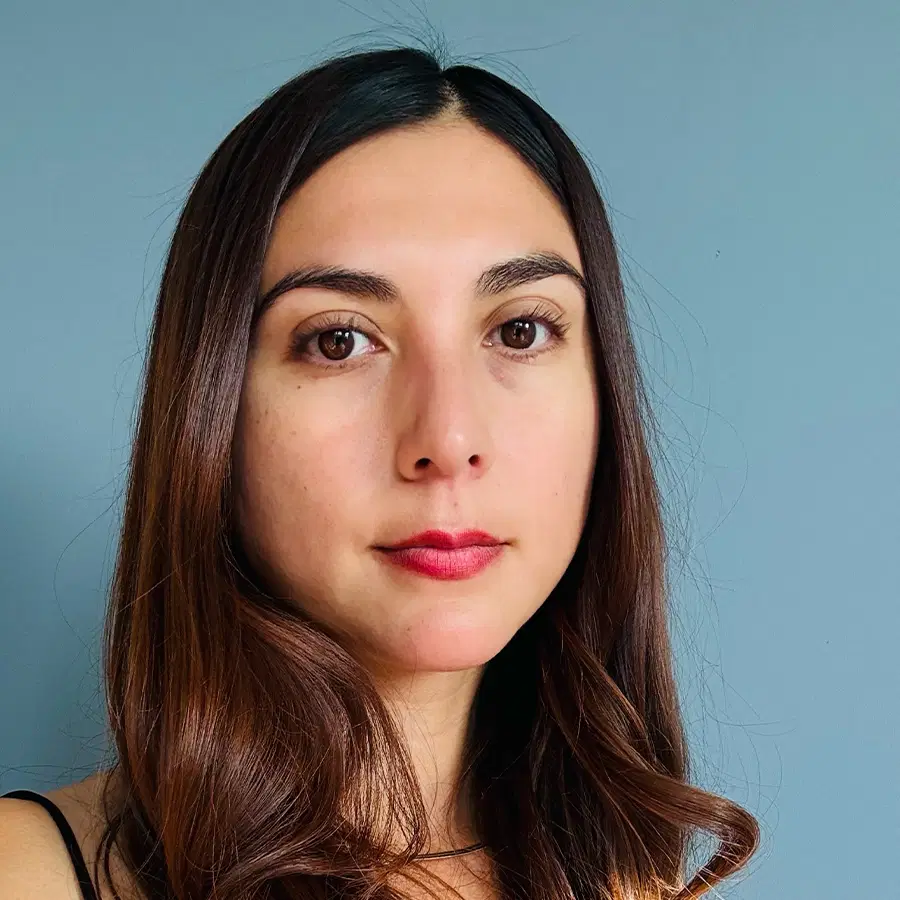
Camila Flores
Camila holds a BSc in Molecular Biotechnology Engineering from University of Chile and an MSc in Cancer Genomics and Data Science from Queen Mary University of London. She has a background in cancer cell therapies across biotech, with experience in both wet-lab immunology and bioinformatics. During her master’s she specialised in single-cell and spatial transcriptomics, using computational approaches to investigate the role of hepatocytes in colorectal cancer liver metastasis.
In 2026, Camila joined the Dunne Group as a Research Assistant, where she is working to integrate multi-omics data to uncover the biological mechanisms and cell interactions driving colorectal cancer progression.
Research Scientist
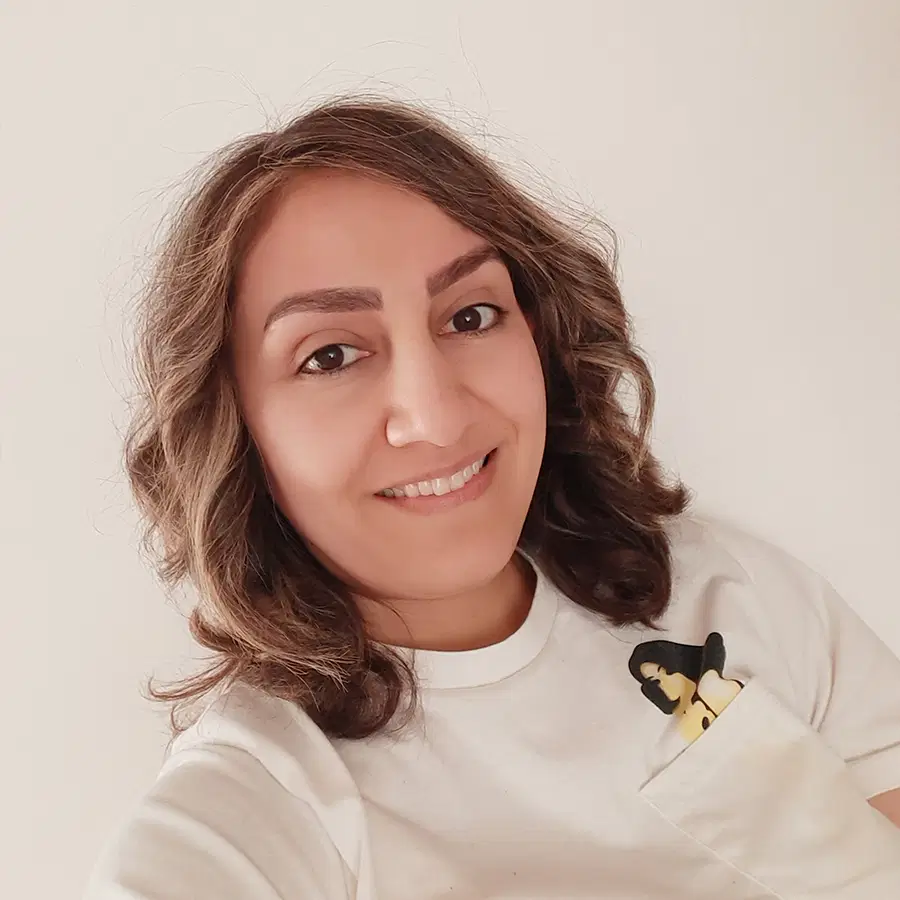
Raheleh Amirkhah
Raheleh holds a BSc and MSc in Cell & Molecular Biology and completed her PhD at the University of Tehran, where she transitioned from experimental wet-lab research to computational biology, focusing on bioinformatic prediction of microRNA targets in colorectal cancer (CRC). Supported by a prestigious fellowship from Iran's Ministry of Science, Research, and Technology, she joined the Systems Biology and Bioinformatics group at Rostock University, Germany, to further develop her bioinformatics expertise in an international research environment.
In 2019, Raheleh joined the Dunne group at Queen's University Belfast as a Postdoctoral Research Fellow, where she applied her computational skills to the molecular stratification of early-stage CRC tumours. She is currently using bulk, single-cell, and spatial transcriptomics to investigate how intestinal location shapes oncogenic trajectories in CRC. Working with a large cohort of genetically engineered mouse models developed in collaboration with the Sansom Laboratory (CRUK Scotland Institute), her research reveals how regional cellular identity, rather than genetics alone, determines the oncogenic trajectory a tumour can follow, with direct implications for understanding the origin and progression of human CRC subtypes.
Research Scientist

Emily Hoey*
Information about this team member’s research interests, experience, and background will be added soon. Please check back for updates.
Graduate Student
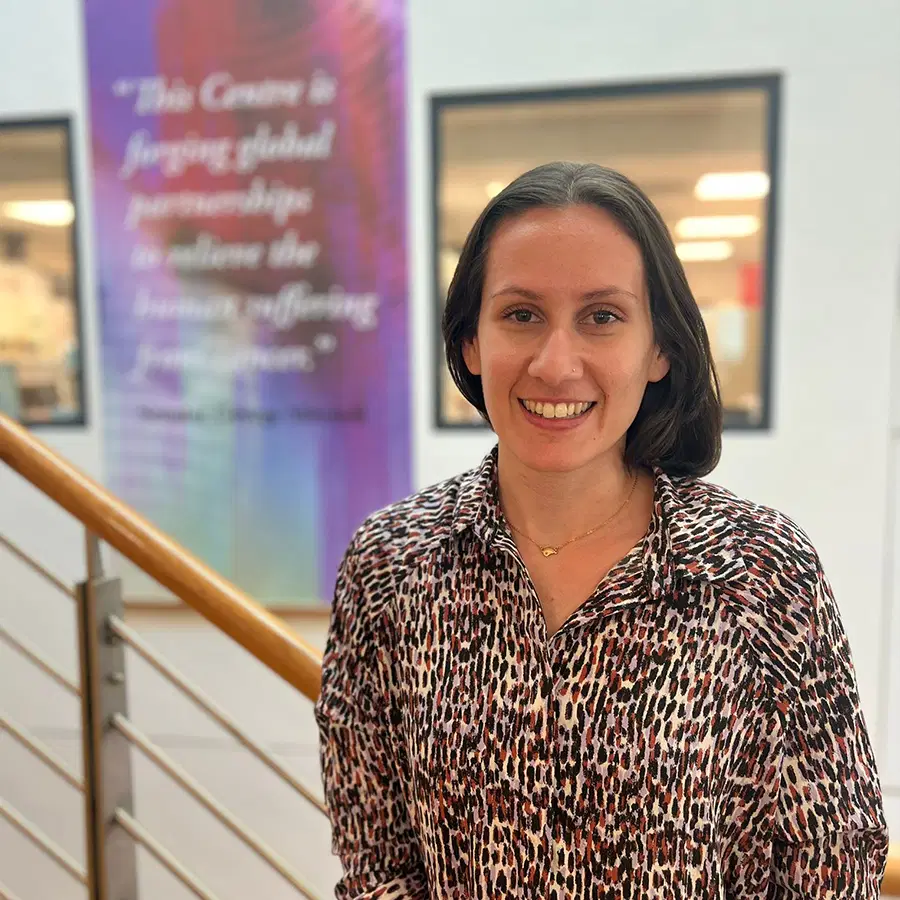
Jessica Edwards
Jessica holds a BSc in Biology from the University of Malta, an MSc in Biotechnology and Molecular Biology, and an MSc in Bioinformatics and Computational Biology from Queen's University Belfast. Her PhD focuses on the characterisation of epithelial cell identities within the colon, with the aim of mapping cellular variations that drive distinct phenotypes across different colonic regions. She is conducting analyses of GEMM (genetically engineered mouse model) tumours to determine how regional colonic identity influences tumour biology while working to better align these preclinical models with human colorectal cancer (CRC).
Graduate Student

Eman AlBahrani
Eman holds a BSc in Public Health from Qatar University and an MSc in Bioinformatics and Computational Genomics from Queen’s University Belfast. Her experience spans population-level cancer screening and surveillance, as well as transcriptomic analyses of colorectal polyps. These areas converge in her PhD research with the Dunne research group, where she investigates colorectal precancer biology using molecular and clinicopathological data from a screening cohort of conventional adenomas and serrated polyps. Her work aims to improve risk prediction for metachronous recurrence.