

Molecular Imaging
Group Leader:
Prof David Lewis
Our lab focuses on understanding cancer as a metabolic disease, using molecular and total-body PET imaging to map how tumours use, compete for, and rewire nutrients across scales. We combine advanced cancer models, novel radiotracers, and quantitative image analysis to characterise metabolic phenotypes from single cells and tumour subregions through to whole-body physiology. By linking imaging signatures to genetics, microenvironmental context, and treatment response, we aim to uncover metabolic vulnerabilities that can be targeted to improve outcomes for patients. A central theme of our work is the metabolic interplay between tumours and the host. We investigate how tumours reprogram their metabolism under therapeutic pressure, how distinct metabolic states contribute to drug and radiotherapy resistance, and how systemic conditions such as cancer cachexia develop. Through total-body PET, we visualise these processes in vivo. Our programs span mechanistic studies in GEMMs and organoids, development of novel PET tracers, and translational imaging trials across radiotherapy and systemic therapies.

Lab Reports
click here to read

Recent Publications
click here to read

Lab Members
click here to read
Recent Publications
2025
Müller, M., May, S., Hall, H., Kendall, T. J., McGarry, L., Blukacz, L., Nuciforo, S., Georgakopoulou, A., Jamieson, T., Phinichkusolchit, N. (2025). Human-correlated genetic models identify precision therapy for liver cancer. Nature.
Sushentsev, N., Hamm, G., Manavaki, R., McLean, M. A., Birchall, J., Soloviev, D., Lewis, D. Y., Aloj, L., Flint, L., Zakirov, A.(2025). Spatial metabolomics informs the use of clinical imaging for improved detection of cribriform prostate cancer. Proceedings of the National Academy of Sciences.122 (26), e2502423122.
2024
Malviya, G., Lannagan, T. R. M., Johnson, E., Mackintosh, A., Bielik, R., Peters, A., Soloviev, D., Brown, G., Jackstadt, R., Nixon, C. (2024). Noninvasive stratification of colon cancer by multiplex PET imaging. Clinical Cancer Research. 30 (8), 1518-1529.
2023
Dzien, P., Mackintosh, A., Malviya, G., Johnson, E., Soloviev, D., Brown, G., Uribe, A. H., Nixon, C., Lyons, S. K., Maddocks, O. (2023). Positron emission tomography imaging of the sodium iodide symporter senses real-time energy stress in vivo. Cancer & Metabolism. 11 (1), 14.
Ferrer, M., Anthony, T. G., Ayres, J. S., Biffi, G., Brown, J. C., Caan, Bette J; Feliciano, E. M. C., Coll, A. P., Dunne, R. F., Goncalves, M. D. (2023). Cachexia: A systemic consequence of progressive, unresolved disease. Cell. 186 (9),1824-1845.
2021
Najumudeen, A. K., Ceteci, F., Fey, S. K., Hamm, G., Steven, R. T., Hall, H., Nikula, C. J., Dexter, A., Murta, T., Race, A. M. (2021). The amino acid transporter SLC7A5 is required for efficient growth of KRAS-mutant colorectal cancer. Nature Genetics. 53 (1), 16-26.
2018
Lewis, D. Y., Mair, R., Wright, A., Allinson, K., Lyons, S. K., Booth, T., Jones, J., Bielik, R., Soloviev, D., Brindle, K. M. (2018) [18F] fluoroethyltyrosine-induced Cerenkov Luminescence Improves Image-Guided Surgical Resection of Glioma.Theranostics.8 (14), 3991.
2015
Lewis, D. Y., Soloviev, D., Brindle, K. M. (2015). Imaging tumor metabolism using positron emission tomography. Cancer Journal (Sudbury, Mass.). 21 (2), 129-136.
2014
Lewis, D. Y., Boren, J., Shaw, G. L., Bielik, R., Ramos-Montoya, A., Larkin, T. J., Martins, C. P., Neal, D. E., Soloviev, D., Brindle, K. M. (2014). Late imaging with [1-11C] acetate improves detection of tumor fatty acid synthesis with PET. Journal of Nuclear Medicine. 55 (7), 1144-1149.
Principle Scientific Officer
Emma Brown
As part of my role in the lab, I ensure the efficient running of the Translational Molecular Imaging facility and engage in multiple collaborative projects within the CRUK SI and further afield. My research interests surround the use of molecular imaging to non-invasively probe tumour evolution, and the biological validation of in vivo imaging signals. As part of Team CANCAN, a Cancer Cachexia Cancer Grand Challenge, I apply broad knowledge of molecular imaging and mouse models to use pre-clinical PET/MRI to probe systemic changes in metabolism during tumour development and cancer cachexia.
Postdoctoral Scientist
Irene Caldera-Quevedo
My expertise lies in tumour biology and immunometabolism, with a focus on how cell-of-origin and immune metabolism shape cancer heterogeneity and therapeutic response. I use advanced techniques including preclinical PET imaging with [18F]FDG and [11C]acetate, radio-flow cytometry (RadioFlow), multi-omics, and spatial biology to study glucose and acetate utilization at tumour and single-cell levels. My work integrates molecular imaging and high-resolution metabolic profiling to uncover mechanisms driving cancer progression and identify therapeutic vulnerabilities.
Postdoctoral Scientist
Lisa Duff
I am a postdoctoral researcher working on cancer cachexia as part of the CANCAN Cancer Grand Challenge. My research focuses on quantitatively characterizing and predicting metabolic dysregulation in cancer cachexia using 18F-FDG PET-CT. I apply advanced PET imaging analysis techniques, including AI, radiomics, and whole-body assessments. I am passionate about interdisciplinary medical research and when I can, support additional projects through data processing, segmentation, and advanced imaging analysis.
Postdoctoral Scientist
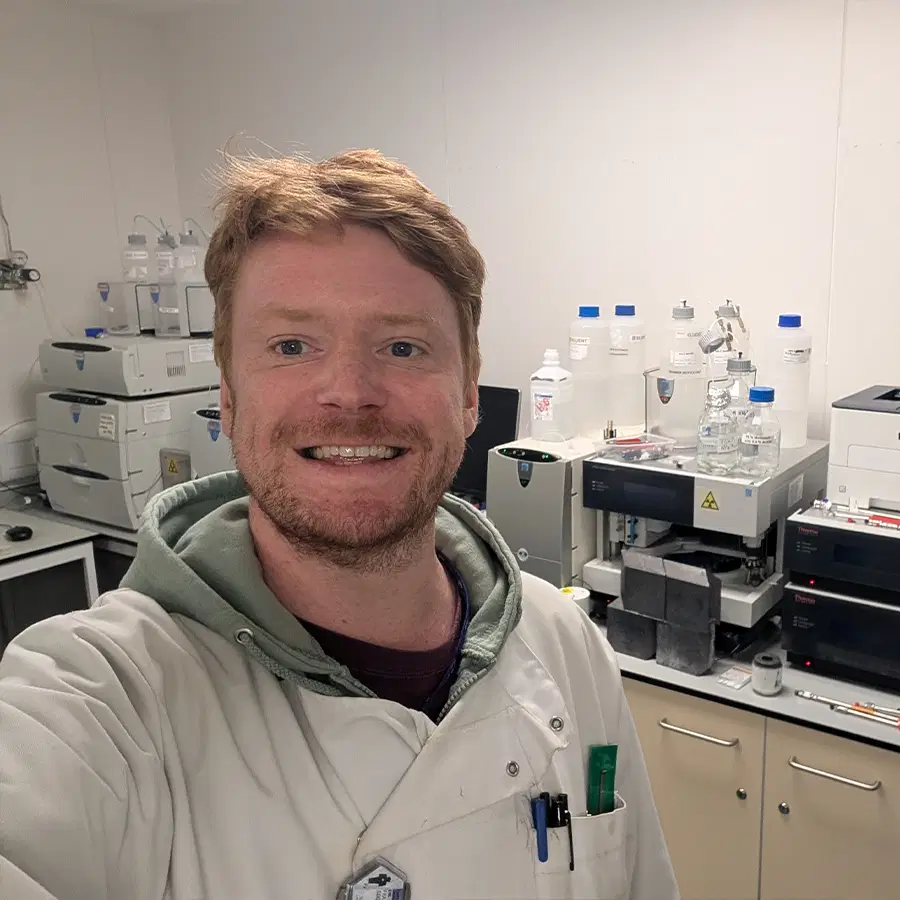
Fraser Edgar
I am a medicinal chemist trained in radiochemistry. My postdoctoral research explores the metabolic drivers of cancer cachexia as part of the CANCAN Cancer Grand Challenge. I develop strategies to radiolabel endogenous amino acids and metabolites with carbon-11, create fluorine-18 radiolabelled metabolic analogues, and map how radiolabel position impacts image analysis.
Senior Scientific Officer
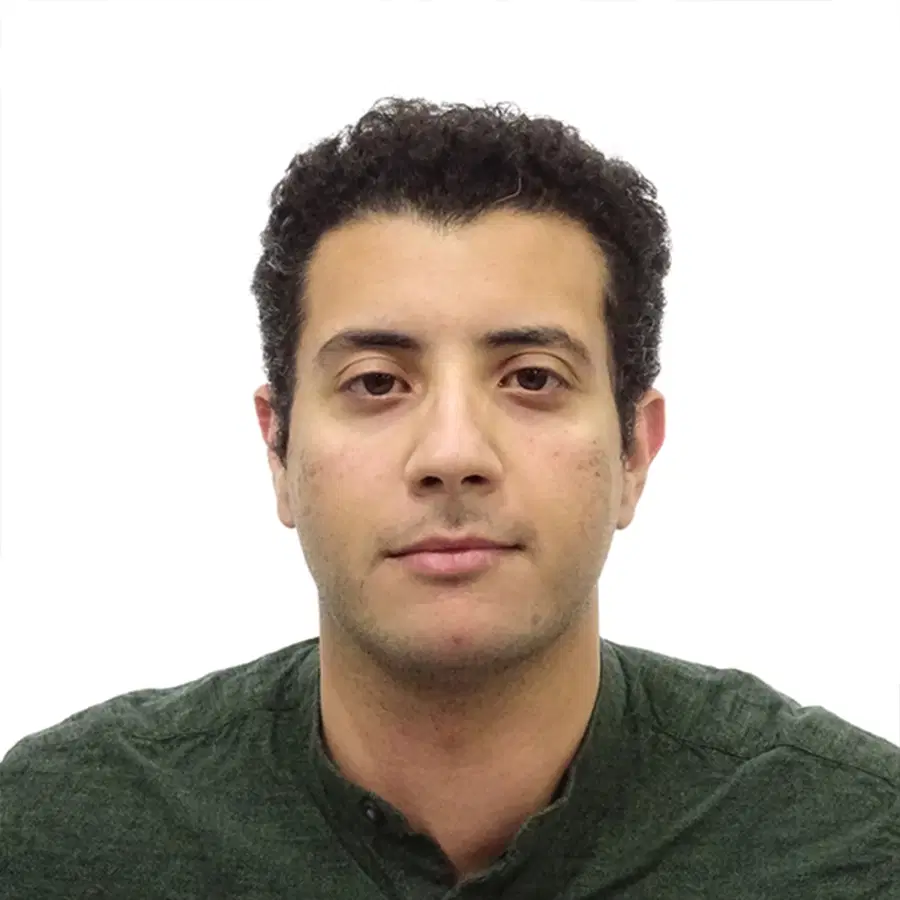
Abdullah Alyamani
I am a cancer research scientist with expertise in in vivo oncology, genetically engineered mouse models, and tumour biology. As part of my role in the lab, I lead preclinical research on lung, colorectal, and liver cancers, including orthotopic tumour models. My work integrates advanced imaging (PET/MRI), molecular analysis, and transgenic mouse models to uncover disease mechanisms and identify therapeutic targets. I also coordinate and support molecular imaging studies across institutions, working closely with teams at the CRUK SI and the University of Glasgow.
Senior Scientific Officer
Robert Bielik
I am a radiochemist and PET imaging scientist specializing in tumour metabolism. My research explores metabolic heterogeneity in lung cancer and how nutrients like glucose and acetate are utilized across time and scales using multiplexed PET imaging, tracer techniques, and spatial biology. I integrate advanced molecular imaging with isotope tracing and mass spectrometry to uncover metabolic vulnerabilities. In my role, I also support the group’s daily operations, co-supervise students, and actively foster internal and external collaborations.
Senior Image Analyst
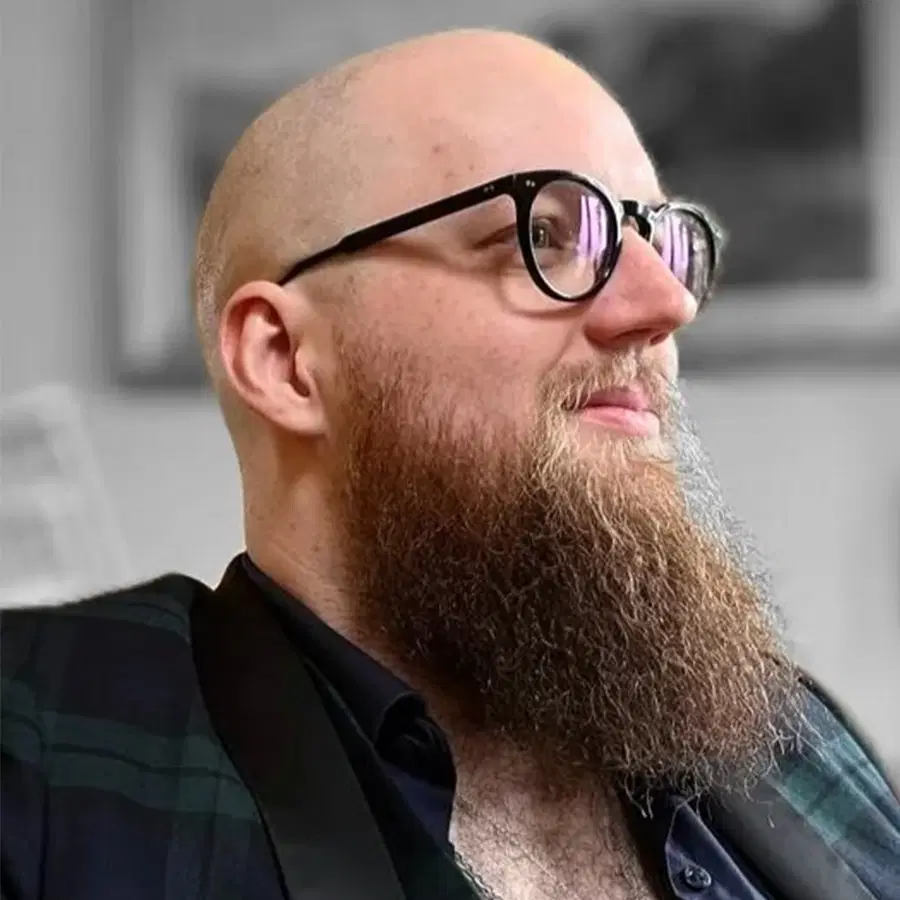
Algernon Bloom
I am a Senior Image Analyst specializing in AI-driven solutions for medical imaging. My work focuses on developing innovative tools for segmentation, classification, and patient stratification of radiological images to advance precision medicine through computational approaches. I work on both preclinical and clinical data and openly collaborate with internal teams and external partners. I am passionate about streamlining data analysis pipelines through automation, making advanced imaging analysis more accessible to healthcare providers.
Clinical Training Fellow
Adams Peters
I am a clinical radiation oncology and research fellow undertaking a PhD focused on the interplay between radiotherapy and cancer metabolism. My research investigates how metabolic pathways influence intrinsic radioresistance and how radiotherapy induces adaptive metabolic changes in cancer cells. I work primarily on lung cancer, studying how carnitine metabolism and fatty acid oxidation drive radioresistance. Using in vitro and in vivo models, I am developing drug–radiotherapy combinations to target these pathways, aiming to improve treatment response and overcome resistance.
PhD Student
Anggraeni Ayu Rengganis
I am a PhD student in Cancer Sciences at the University of Glasgow, supported by the LPDP scholarship. I joined the CRUK Scotland Institute under the supervision of Dr. David Lewis and Dr. Helen Mulvana from the Centre for Medical and Industrial Ultrasonics (C-MIU) to investigate how different microbubble size fractions influence ultrasound imaging sensitivity and ultrasound-based perfusion imaging in preclinical breast cancer models. My goal is to identify optimal microbubble characteristics that enhance tumour perfusion assessment, improve diagnostic accuracy, and support treatment monitoring.
PhD Student
Rashmi Nagendra
I am a PhD student investigating how the immune system drives the profound metabolic disturbances characteristic of cancer cachexia. I focus on the systemic effects of cancer, specifically how tumours communicate with and reprogram distant tissues through immune-mediated mechanisms, leading to whole-body metabolic imbalance. By examining metabolic heterogeneity in lung and colorectal cancers, my work aims to identify the pathways linking immune activity to the development and progression of cachexia.
PET Development Manager
Una Goncin
I leverage extensive expertise in project management, multimodal imaging, clinical trial management, and communications to drive the growth and impact of PET research in Glasgow. In my role, I lead the development, implementation, and oversight of PET imaging strategy, ensuring operational excellence, resource optimisation, and regularly compliance. My role includes building collaborations, supporting and securing research funding, and creating opportunities for translational success. I lead marketing and outreach initiatives to raise the profile of PET research and ensure its long-term sustainability.
Senior Preclinical PET Imaging Scientist
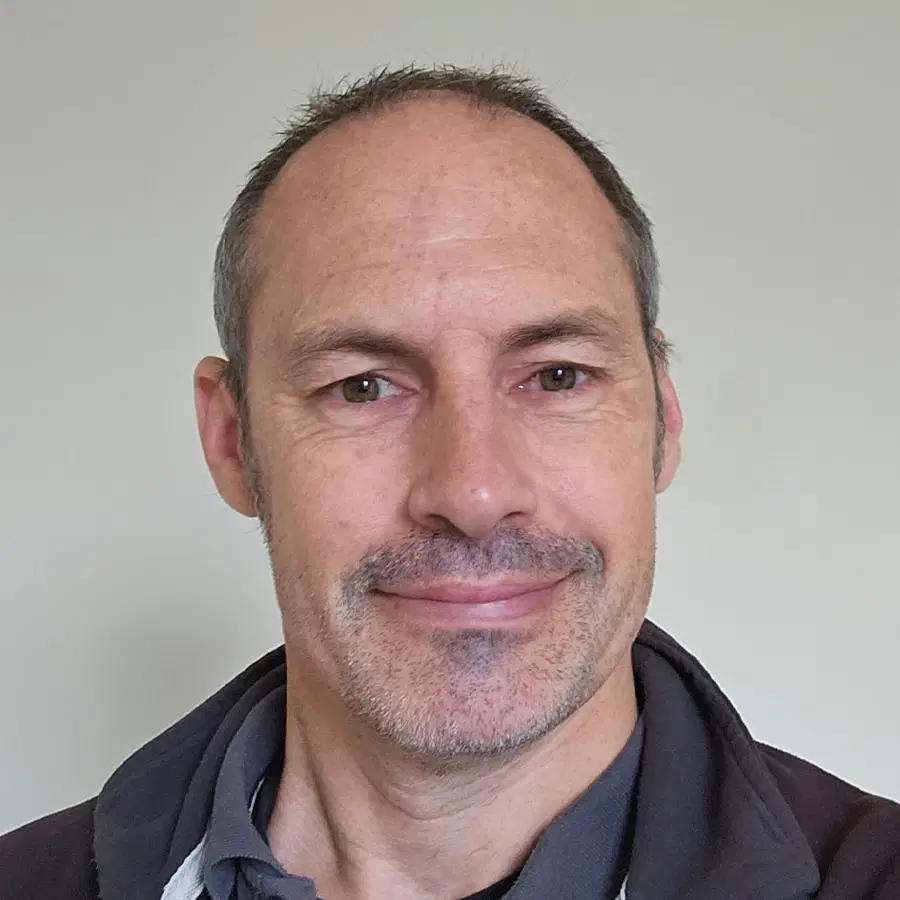
Stephen Paisey
I am a preclinical imaging specialist with19 years of experience, built upon a background in synthetic inorganic chemistry and radiochemistry. I lead and collaborate on research programmes that apply advanced imaging technologies, including total-body preclinical PET/CT and 7T MRI, to address complex biological questions. As part of my role, I am establishing a radiometal and radiobiology laboratory focused on developing 89Zr radiolabelling methods for biologically derived agents, such as antibodies and cells, enabling the long-term in vivo tracking of emerging biological therapies.
Postdoctoral Researcher
Bernadette Andrews
I am a Postdoctoral Researcher in David’s Molecular Imaging Group, where my work focuses on the quantification of PET data using kinetic modelling. I completed my PhD at the University of Edinburgh, developing non-invasive quantification methods for dynamic PET data using Total-Body PET. My current research continues to centre on advancing PET quantification methods, with a particular interest in applying kinetic modelling to uncover biologically meaningful insights from imaging data. Prior to my PhD, I also studied Physics at the University of Edinburgh, where I developed a strong interest in interdisciplinary applied physics.