

Prof Chris Halsey
Childhood Leukaemia
Cancer is the leading cause of death for children aged 1-14 years and despite improvements in survival, leukaemia still accounts for about a quarter of these deaths. Even if cured, many survivors have significant chemotherapy side-effects resulting in late mortality, reduced academic achievement, poor quality of life and accompanying health and societal impacts.
The commonest long-term effects are adverse neurological/neurocognitive outcomes seen in 20-40% of patients with acute lymphoblastic leukaemia (ALL). This reflects the use of neurotoxic agents to prevent ALL relapse within the central nervous system (CNS). There is an urgent need to develop more effective, and less-toxic, treatments for CNS-ALL. This is the key mission of our childhood leukaemia research group.
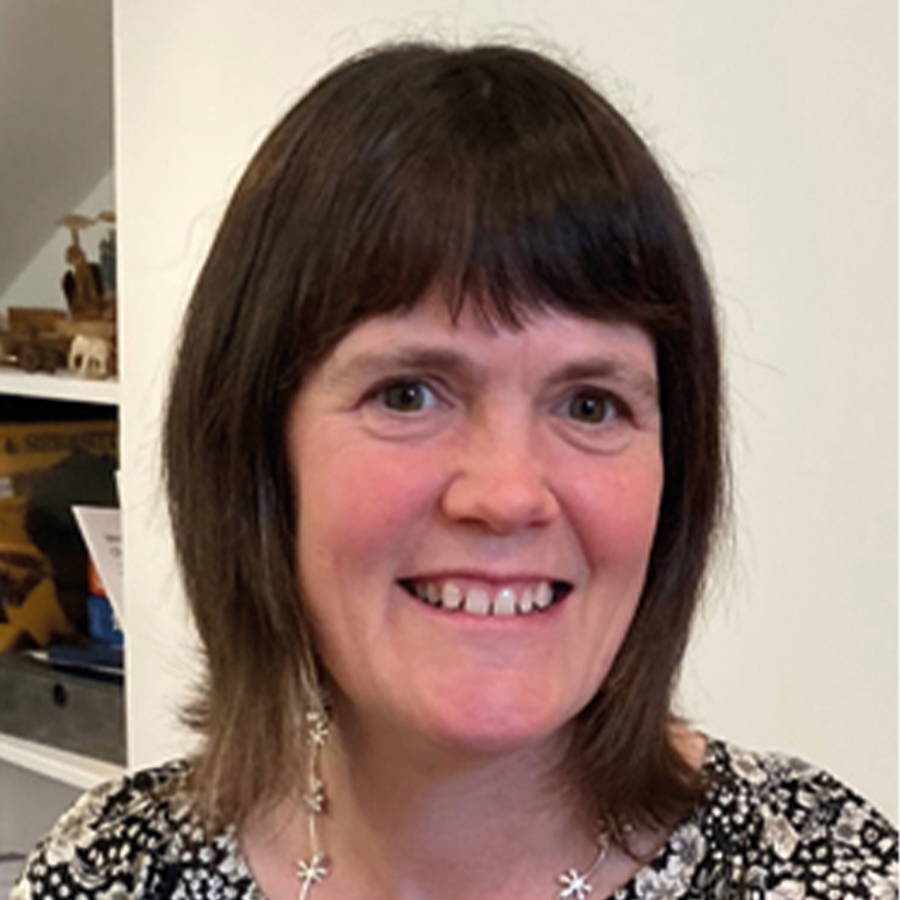

Biography
click here to read

Recent Publications
click here to read
Biography
Education and qualifications
- 2004–2009: PhD, University of Glasgow
- 1988–1994: BM BC, University of Oxford
- 1990–1991: BA (Hons) Physiological Sciences, University of Oxford
Appointments
- 2022–present: Head of School, School of Cancer Sciences, University of Glasgow
- 2021–present: Professor of Paediatric Haemato-Oncology, School of Cancer Sciences, University of Glasgow
- 2010–present: Honorary Consultant Paediatric Haematologist, Royal Hospital for Sick Children, NHS Greater Glasgow and Clyde
Recent Publications
2026
Eder, S. K. et al. Transverse myelitis and Guillain-Barré syndrome in pediatric lymphoid malignancies: an international retrospective study. Pediatric Blood and Cancer. 2026.
Almási, L. et al. Heterogeneity in the global practice of central nervous system staging in pediatric acute lymphoblastic leukemia. Pediatric Blood and Cancer. 2026;73(8):e70405.
Hodder, A. et al. Reduced-intensity reinduction for children and young persons with relapsed acute lymphoblastic leukemia. Leukemia. 2026;40(8):1797-1801.
van den Haak, M. A. et al. Reproducible profiling of the gut microbiota using surplus clinical Faecal Immunochemical Test (FIT) samples. Microbial Genomics. 2026;12(7):001740.
Wilson, Abbie and Halsey, Chris. Methotrexate neurological toxicities: current state-of-the-art. British Journal of Hospital Medicine. 2026;87(6):55135.
Duguid, Alasdair, Malouf, Camille, Leah, Tom, Nitsche, Leslie, Barrett, Neil A., Smith, Owen P., Halsey, Chris and Ottersbach, Katrin. miR-93-mediated PTEN suppression and CNS-specific T cell exhaustion shape the leukemia niche in infant KMT2A::AFF1+ B-ALL. Cell Reports. 2026;45(5):117353.
Duguid, Alasdair, Malouf, Camille, Nitsche, Leslie, Halsey, Chris and Ottersbach, Katrin. Mixed-lineage leukaemia cells undergo unique adaptations in the CNS niche. Experimental Hematology. 2026;154:105347.
Ren, H. et al. ‘Off-the-shelf’ dual CAR-iNKT cell immunotherapy eradicates medullary and leptomeningeal KMT2A-rearranged leukemia. Blood. 2026;147(2):180-196.
Mikkelsen, T. et al. Role of common host genome variants in Childhood Acute Lymphoblastic Leukemia. Leukemia. 2026;40(1):3-24.
2025
Ponce-Garcia, F. M. et al. Canagliflozin synergises with serine restriction mediating anti-leukaemic effects in T-cell acute lymphoblastic leukaemia. Molecular Metabolism. 2025;102:102275.
Amaral, P. et al. Underlying biology, challenges and emergent concepts in the treatment of relapsed and refractory pediatric T-cell acute lymphoblastic leukemia. Leukemia. 2025;39(11):2575-2589.
Sharma, N. D. et al. T-cell acute lymphoblastic leukemia exploits a neural proinflammatory pathway to colonize the meninges. Journal of Clinical Investigation. 2025.
Samarakoon, Y. et al. UNC119 regulates T-cell receptor signalling in primary T cells and T acute lymphocytic leukaemia. Life Science Alliance. 2025;8(3):e202403066.
2024
Apps, J. et al. A review calling for research directed at early detection of childhood cancers: the clinical, scientific, and economic arguments for population screening and surveillance. EJC Paediatric Oncology. 2024;4:100191.
Anastasopoulou, S. et al. Severe steroid-related neuropsychiatric symptoms during paediatric acute lymphoblastic leukaemia therapy—An observational Ponte di Legno Toxicity Working Group Study. British Journal of Haematology. 2024;205(4):1450-1459.
2022
Cousins, A. et al. Central nervous system involvement in childhood acute lymphoblastic leukemia is linked to upregulation of cholesterol biosynthetic pathways. Leukemia. 2022;36(12):2903-2907.
Thastrup, Maria, Duguid, Alasdair, Mirian, Christian, Schmiegelow, Kjeld and Halsey, Christina. Central nervous system involvement in childhood acute lymphoblastic leukemia: challenges and solutions. Leukemia. 2022;36(12):2751-2768.
Pal, D. et al. hiPSC-derived bone marrow milieu identifies a clinically actionable driver of niche-mediated treatment resistance in leukemia. Cell Reports Medicine. 2022;3(8):100717.
2021
Malouf, Camille, Antunes, Eric T.B., O’Dwyer, Michael, Jakobczyk, Hélène, Sahm, Franziska, Landua, Sophie-Luise, Anderson, Richard A., Soufi, Abdenour, Halsey, Christina and Ottersbach, Katrin. MiR-130b and miR-128a are essential lineage-specific co-drivers of t(4;11) MLL-AF4 acute leukemia. Blood. 2021;138(21):2066-2092.
Rice, S. et al. A human fetal liver-derived infant MLL-AF4 acute lymphoblastic leukemia model reveals a distinct fetal gene expression program. Nature Communications. 2021;12:6905.
Zanetti, C. et al. The age of the bone marrow microenvironment influences B-cell acute lymphoblastic leukemia progression via CXCR5-CXCL13. Blood. 2021;138(19):1870-1884.
Halsey, Christina and Escherich, Gabriele. A “Goldilocks” approach to CNS leukaemia is needed. Blood. 2021;138(4):288-289.
Andrés-Jensen, L. et al. Severe toxicity free survival: physician-derived definitions of unacceptable long-term toxicities following acute lymphocytic leukaemia. Lancet Haematology. 2021;8(7):e513-e523.
Shi, Y. et al. Phase II-like murine trial identifies synergy between dexamethasone and dasatinib in T-cell acute lymphoblastic leukemia. Haematologica. 2021;106(4):1056-1066.
Lenk, L. et al. CD79a promotes CNS-infiltration and leukemia engraftment in pediatric B-cell precursor acute lymphoblastic leukemia. Communications Biology. 2021;4:73.